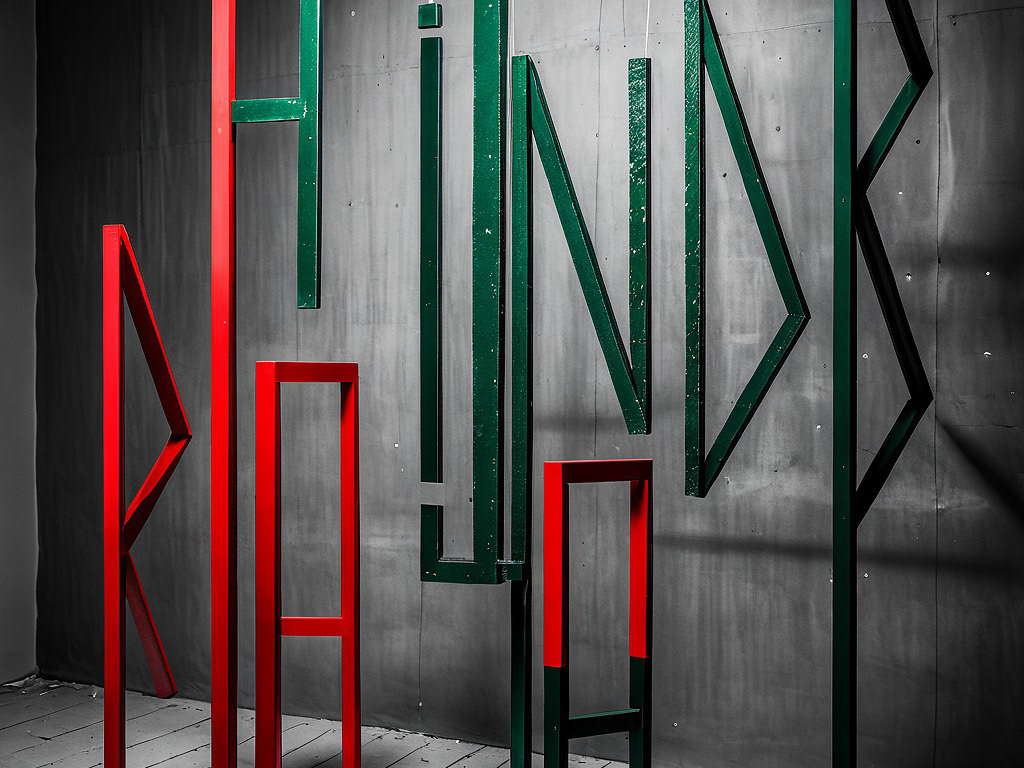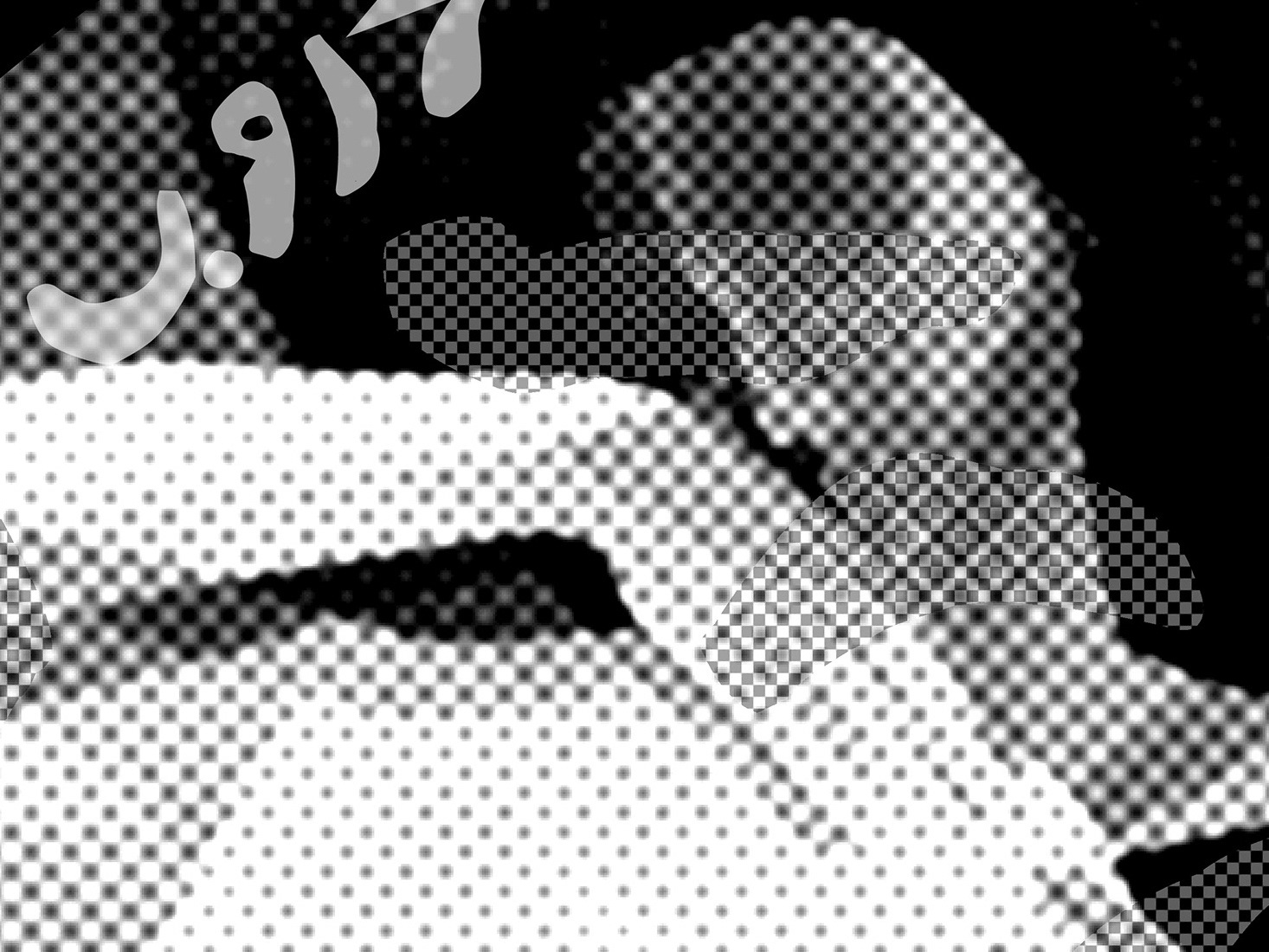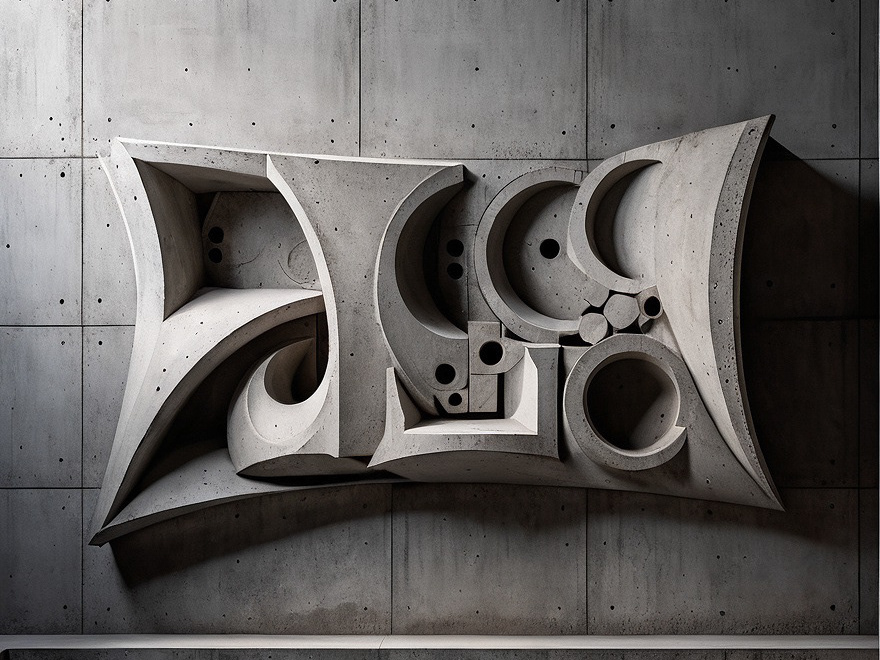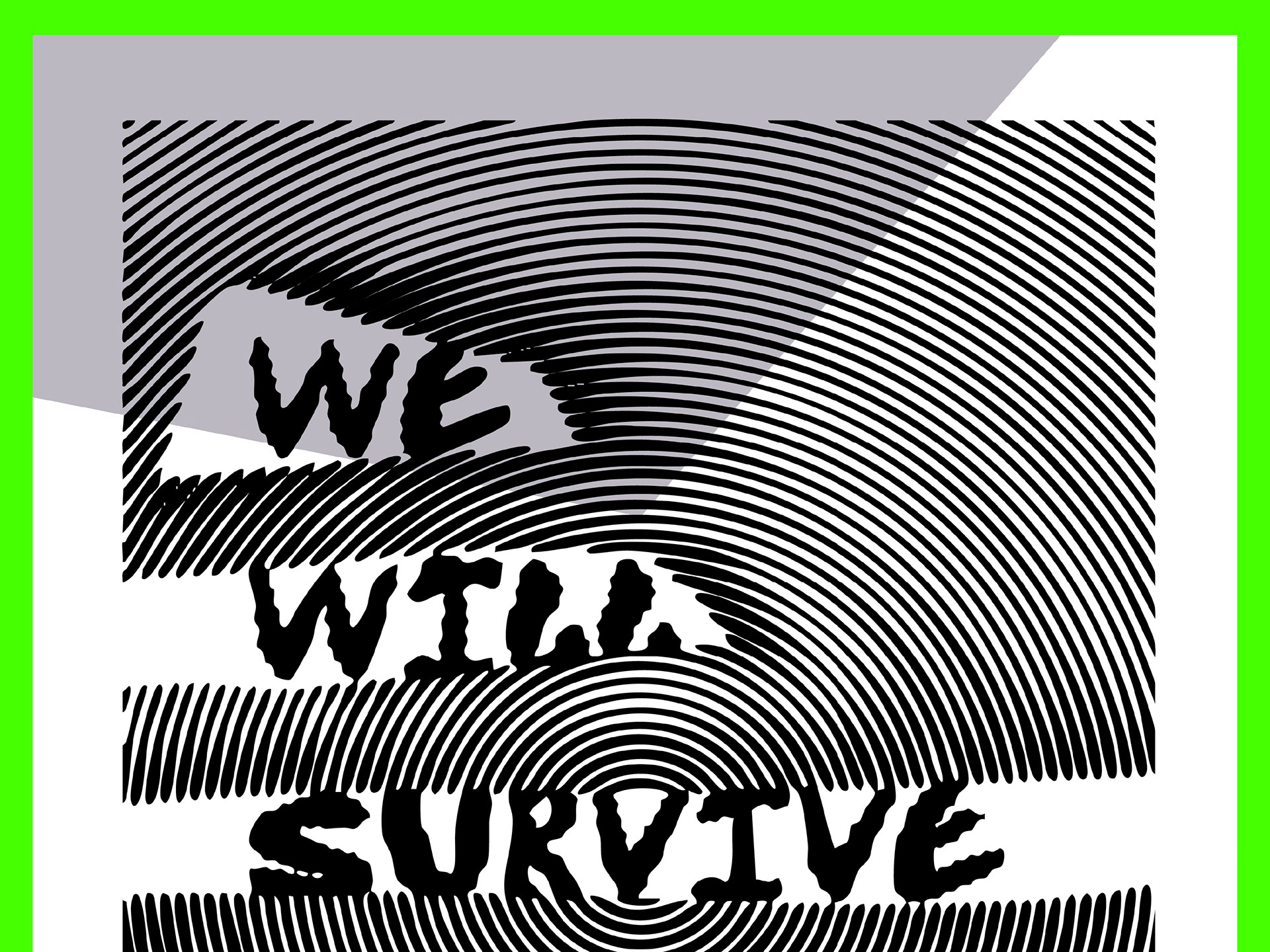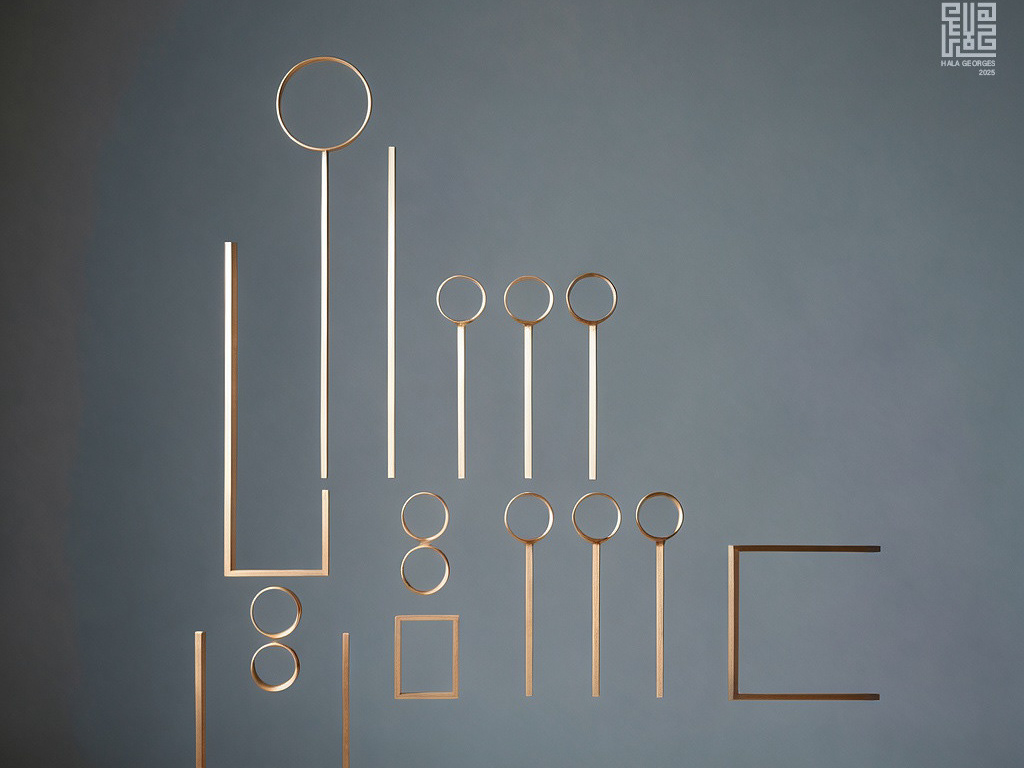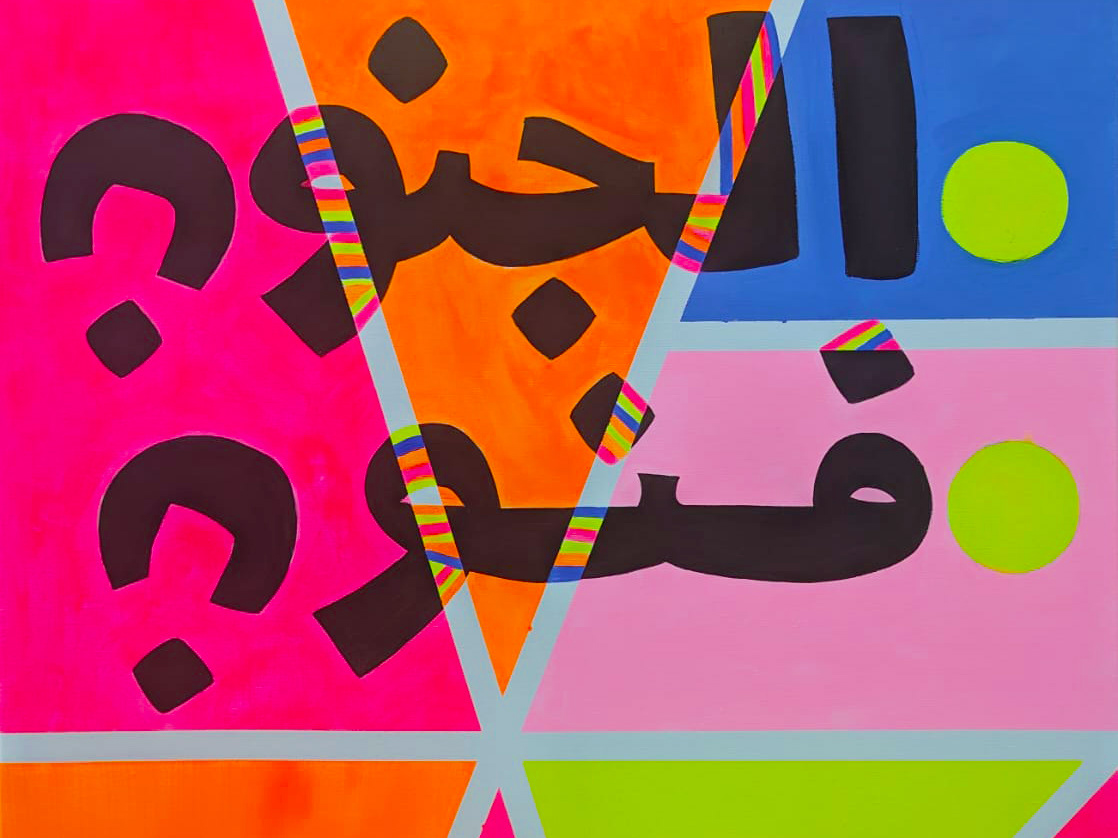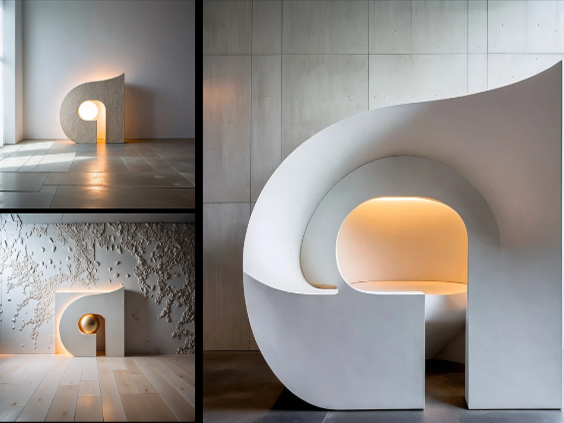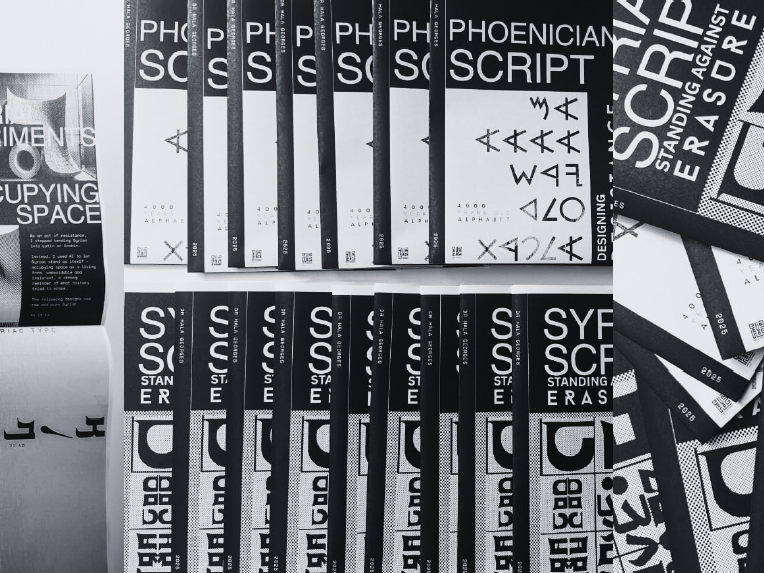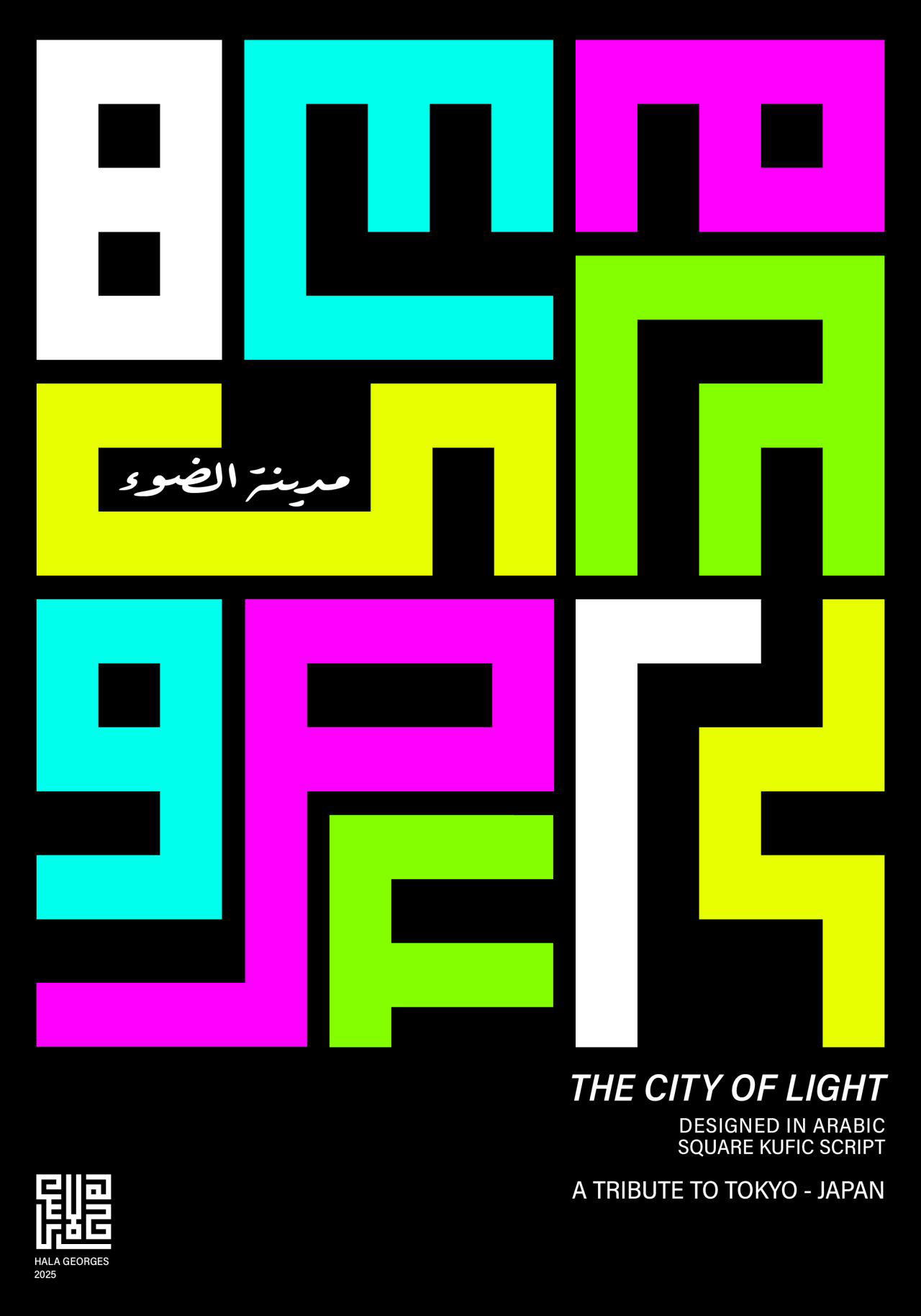
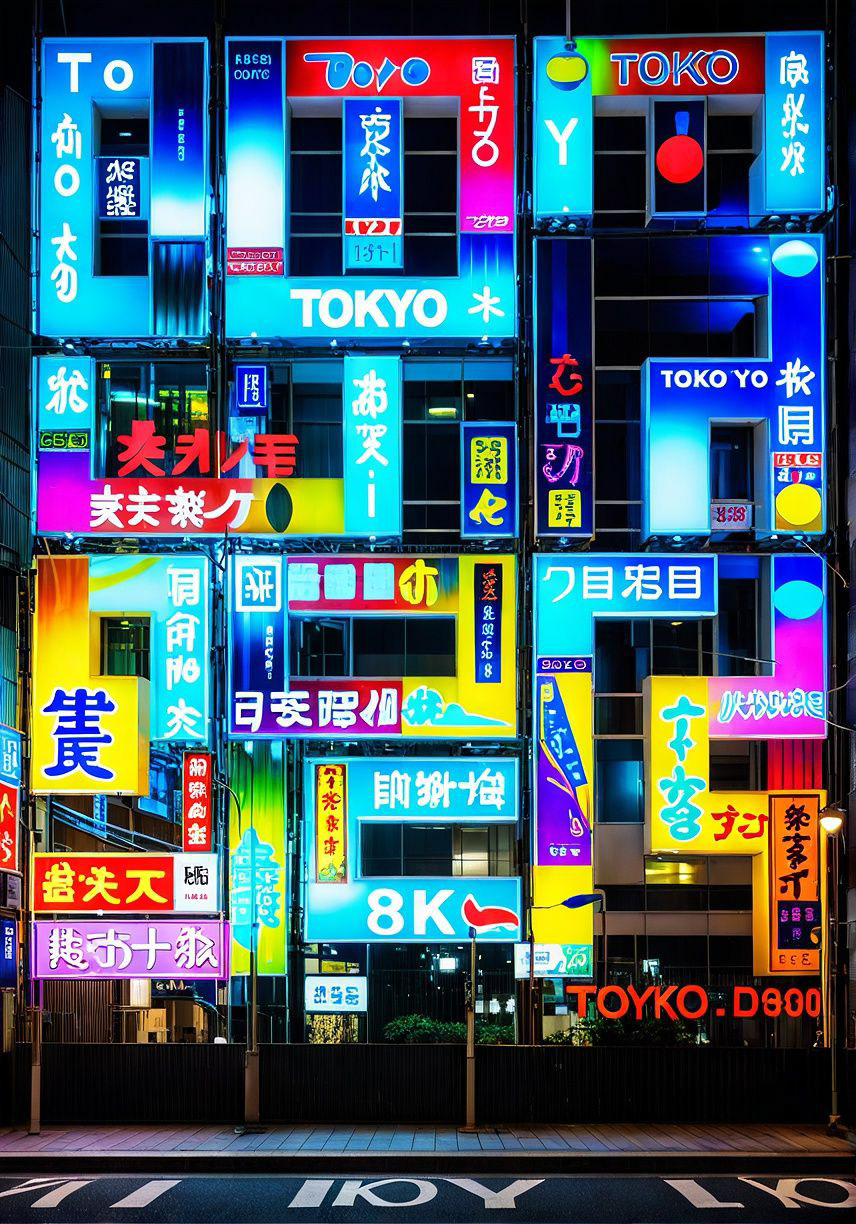
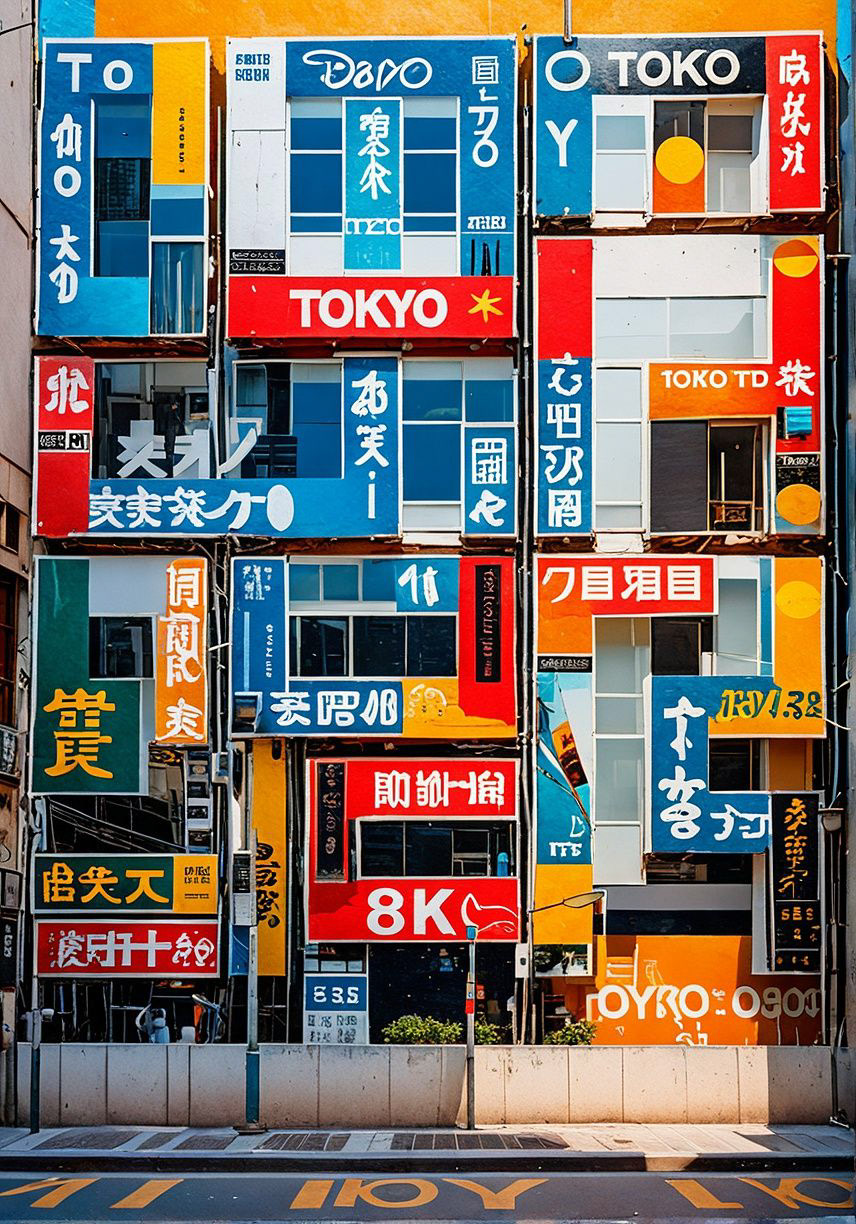
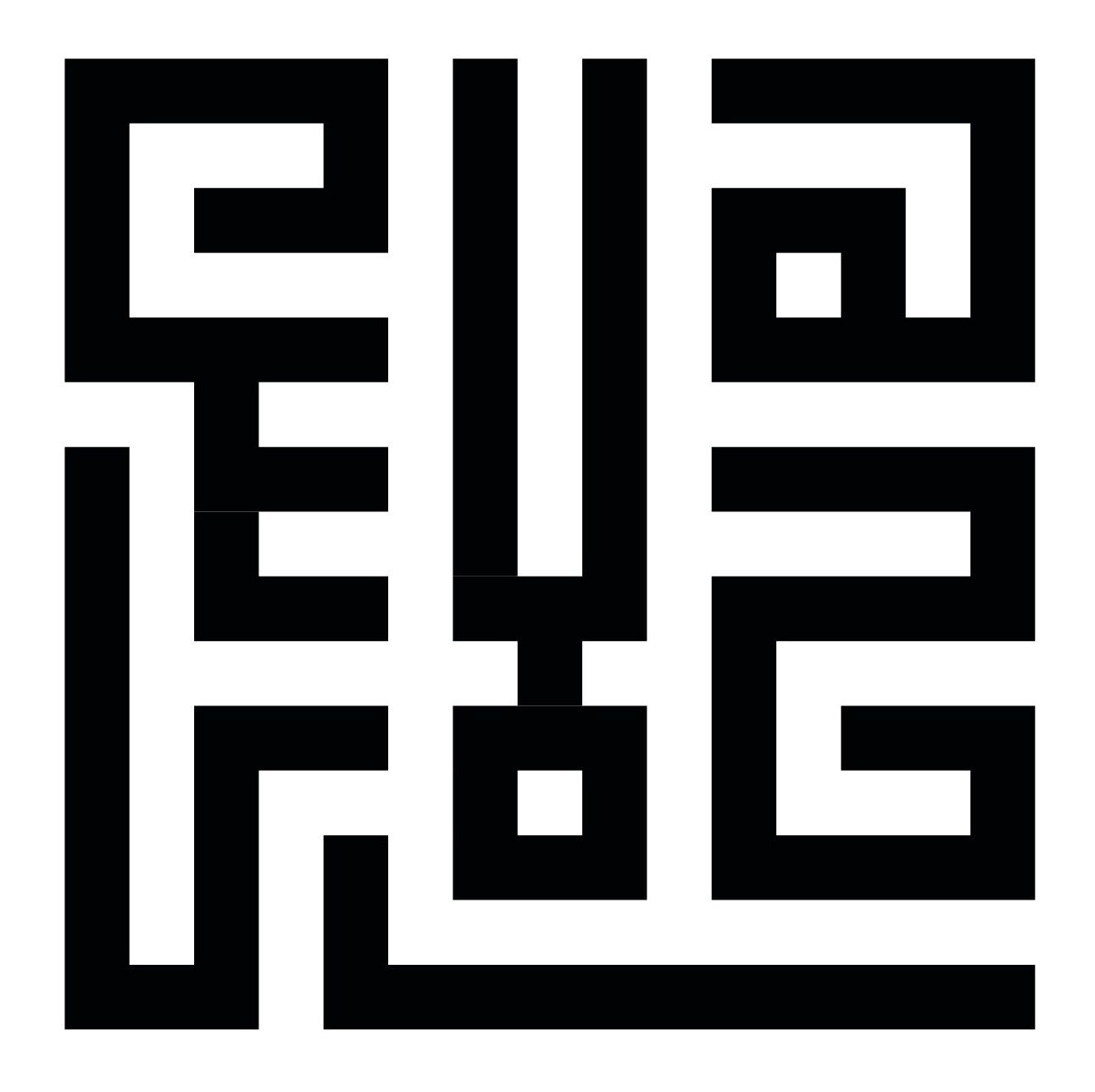
City of Light — Square Kufic Typography This body of work experiments with Square Kufic Arabic script as a contemporary graphic system responding to the visual intensity of Tokyo at night. Through colour, modular structure, and spatial rhythm, the compositions draw parallels between the logic of Square Kufic and the city’s illuminated urban fabric—its density, repetition, contrast, and continuous movement. The project extends beyond print by exploring how typographic form might operate within architectural and urban environments. Artificial intelligence was used as a visualisation tool to situate the designs within speculative Tokyo streetscapes, enabling the testing of scale, colour interaction, and spatial presence within a city context. These visualisations function as contextual simulations rather than generative design, supporting reflection on how Arabic typographic systems might inhabit contemporary global cities. This practice-based project satisfies the five Frascati criteria as follows: Novel The work introduces an original application of Square Kufic Arabic script within a contemporary, non-Arab urban context, reinterpreting the script as a modular visual system responsive to the spatial and chromatic logic of Tokyo’s night-time cityscape. Creative New typographic and visual outcomes emerge through experimental composition, colour use, and spatial translation, extending Square Kufic beyond traditional print formats into speculative urban and material environments. Uncertain in outcome The project involved exploratory testing of scale, density, and spatial integration, particularly through visualisation of the work within an unfamiliar urban context, where legibility, visual balance, and cultural resonance were not predetermined. Systematic The research followed a structured process of typographic design, compositional experimentation, contextual visualisation, and reflective evaluation. Artificial intelligence was used solely as a visualisation tool to simulate urban placement and assess spatial behaviour. Transferable and reproducible The methodological framework—combining script-based typography with urban contextual testing—can be applied to other scripts, cities, and spatial design investigations across graphic design, typography, and visual communication research.