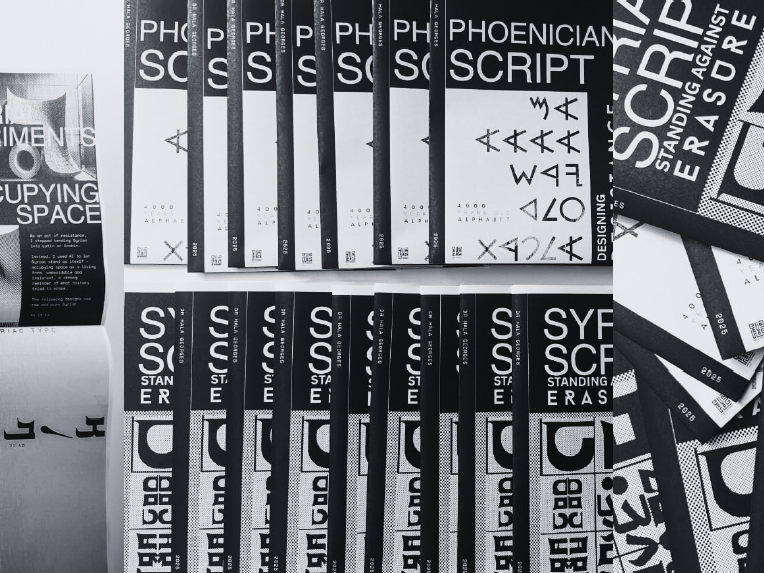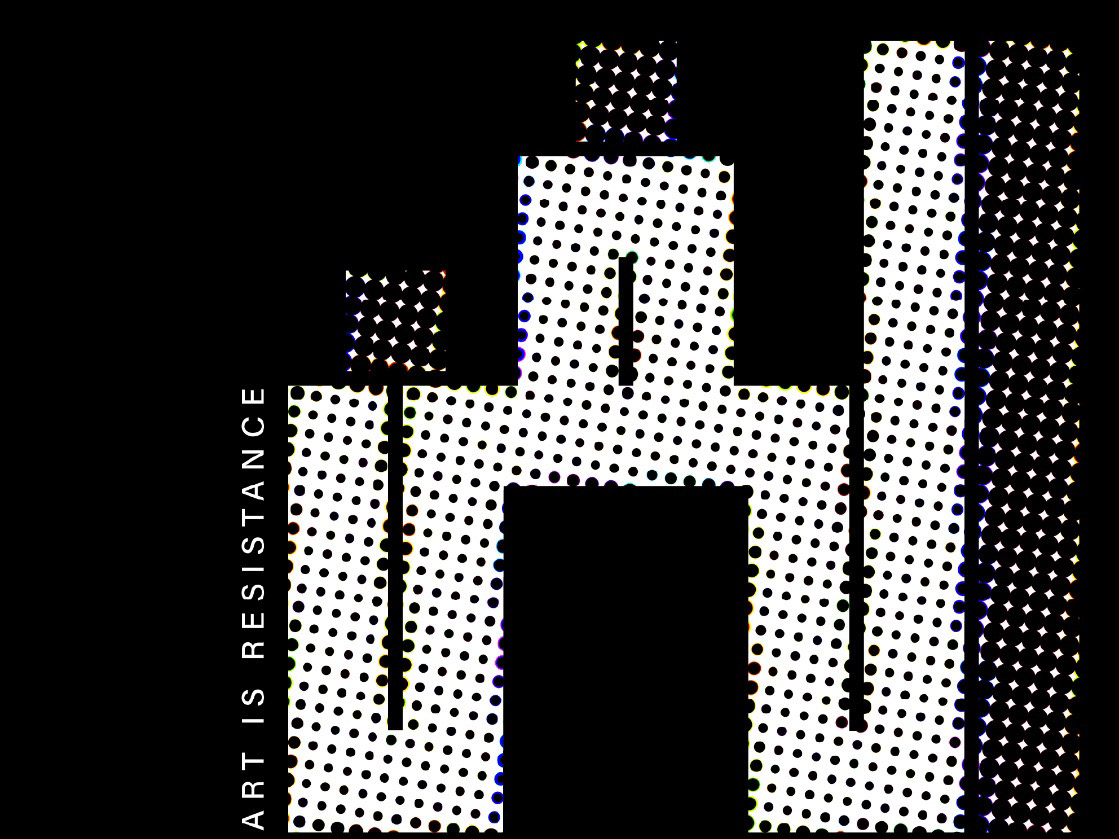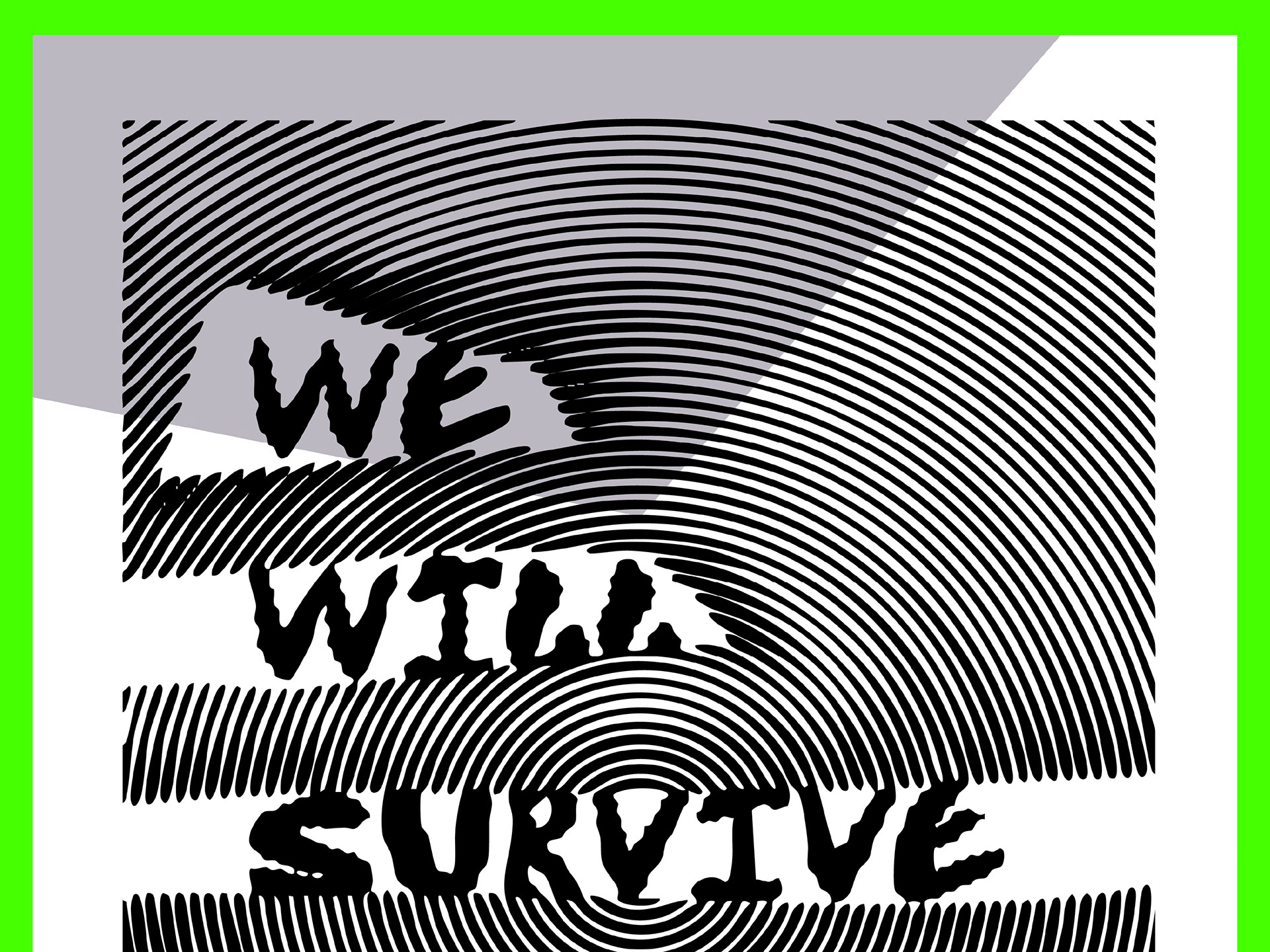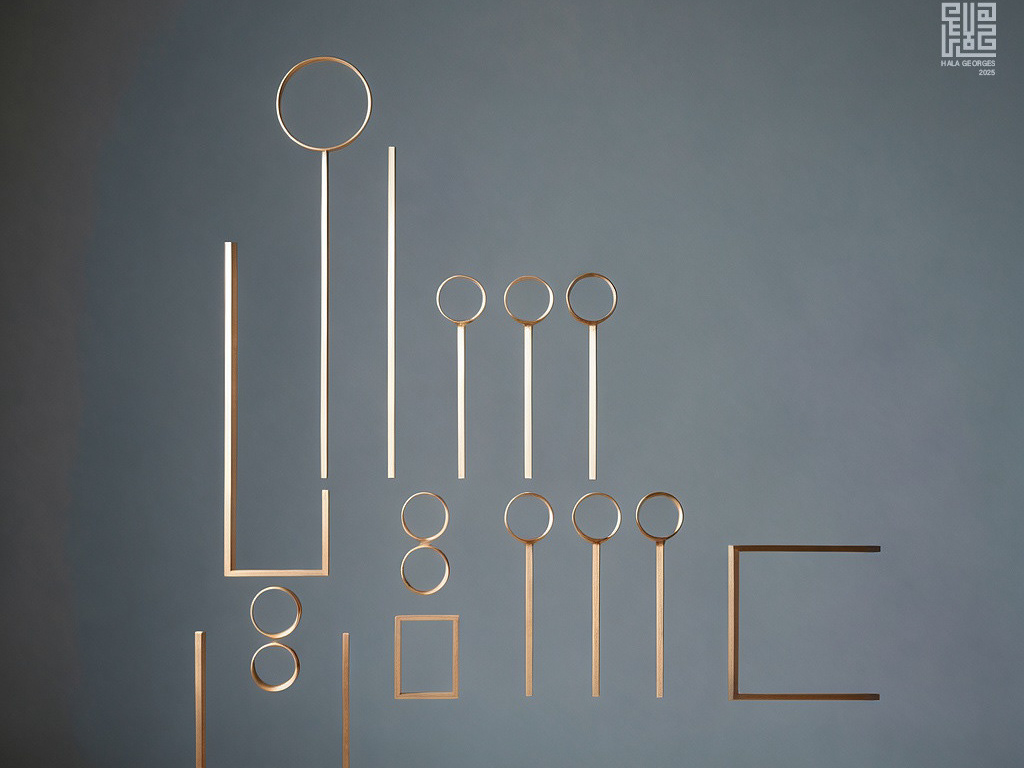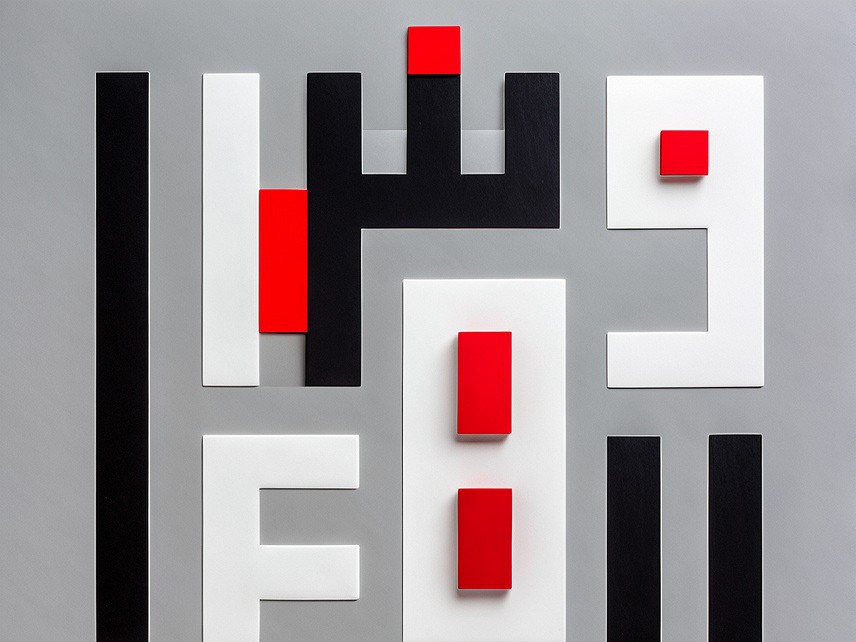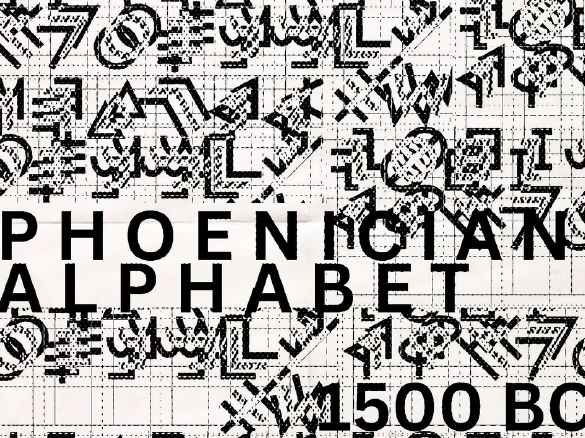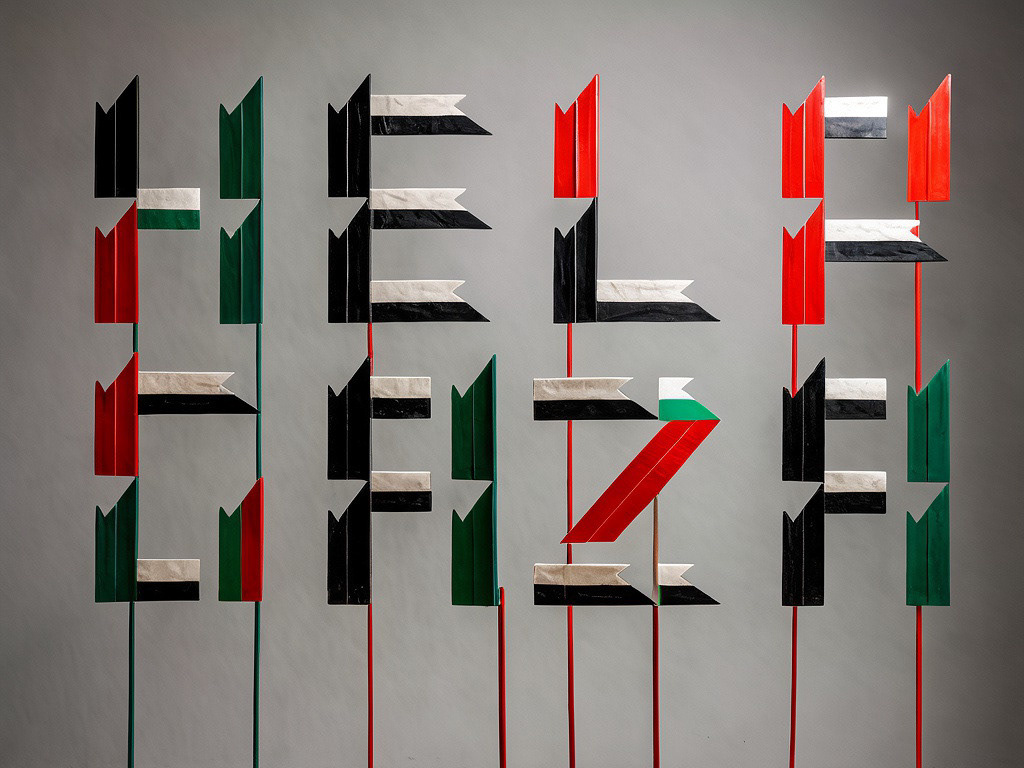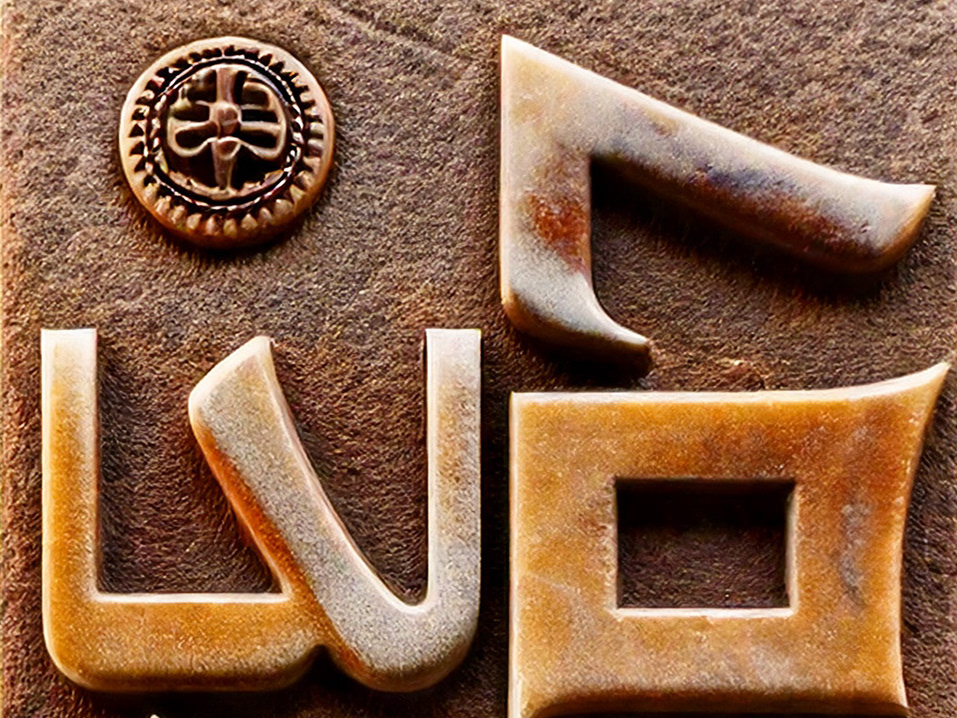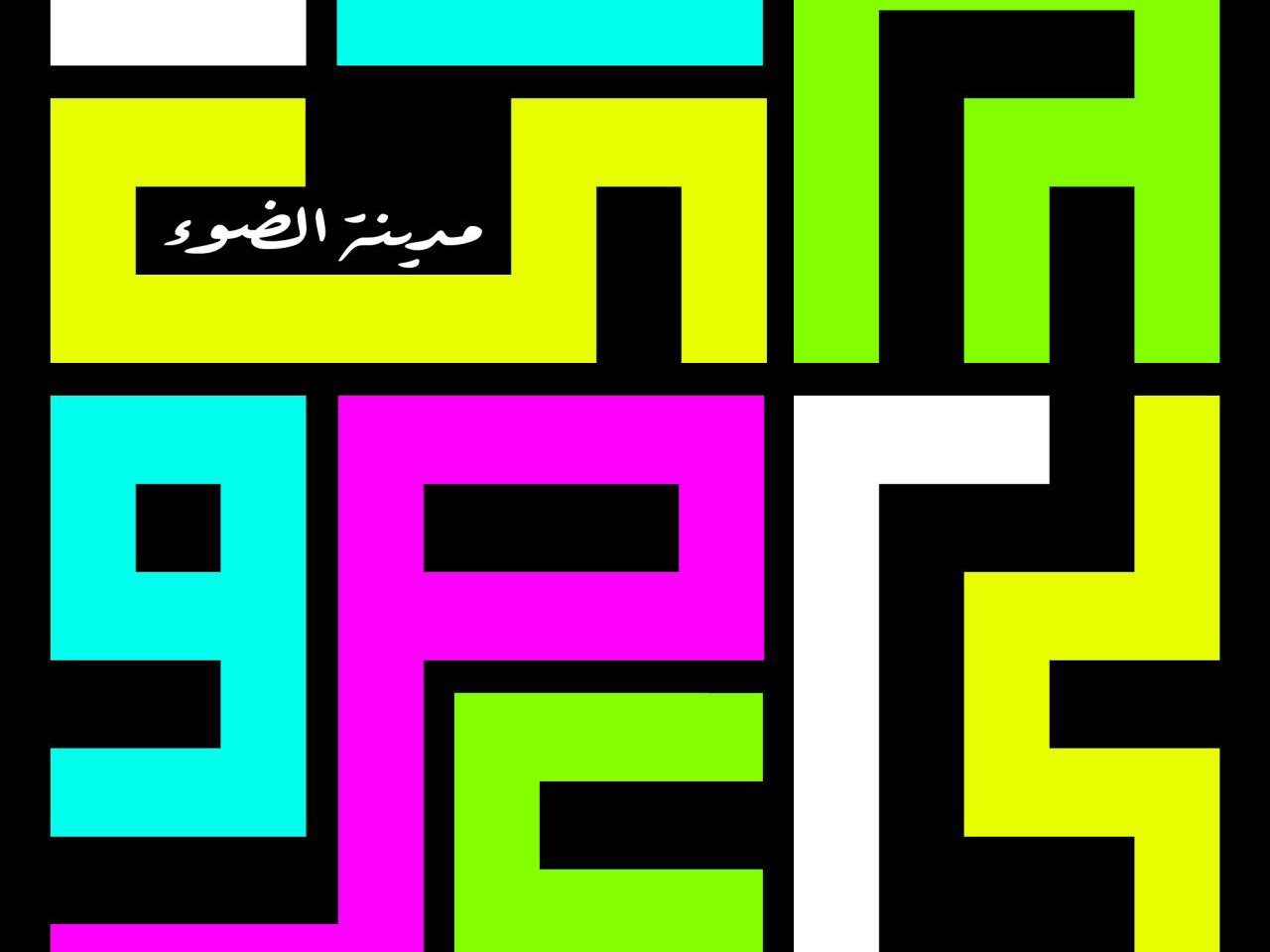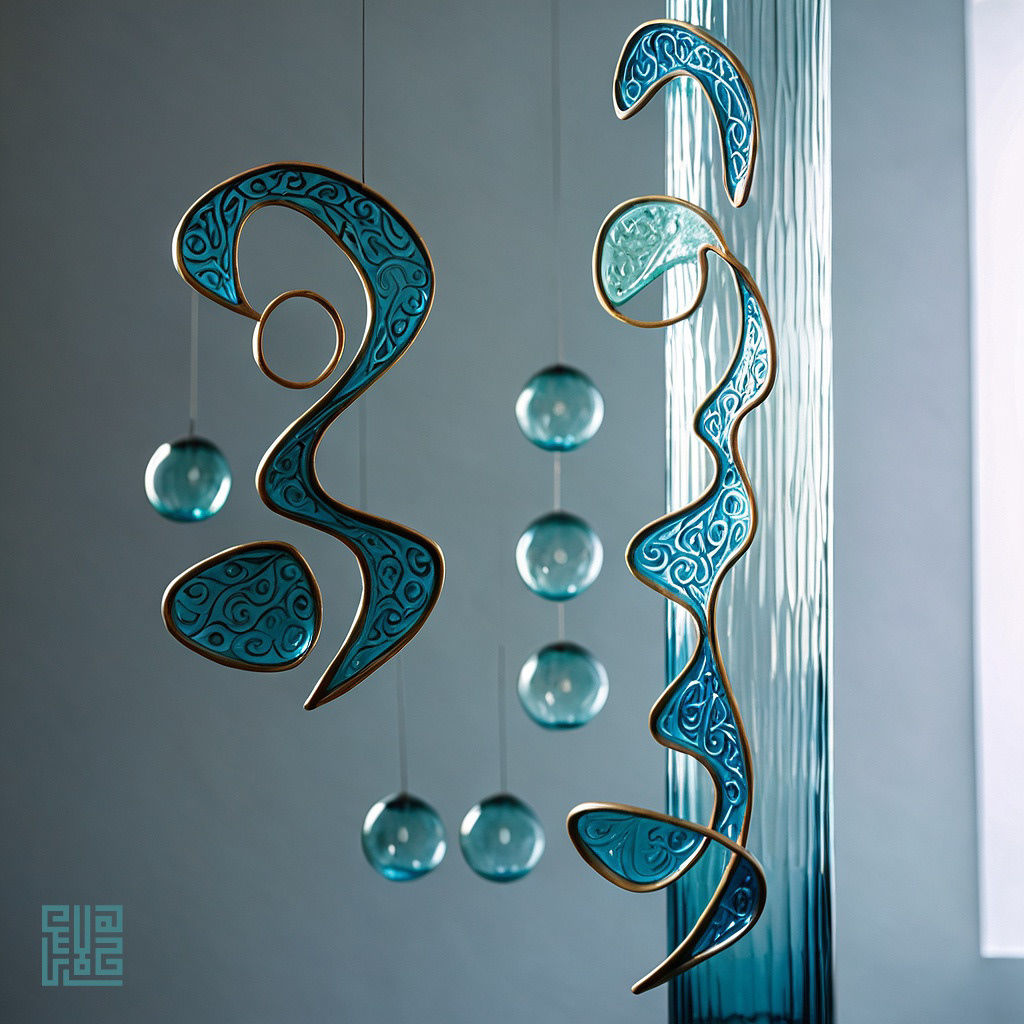
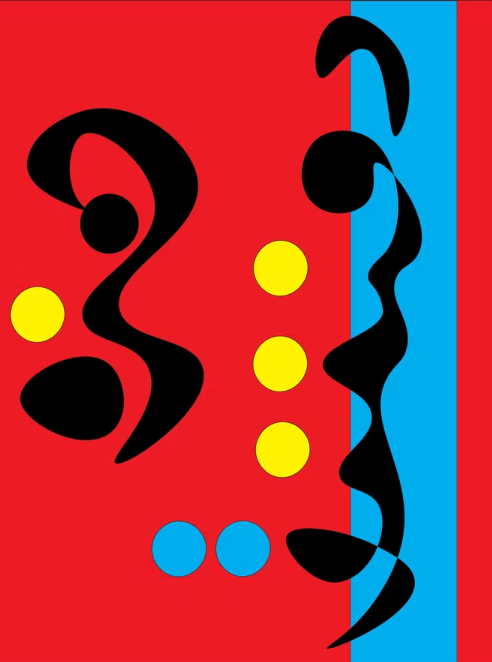
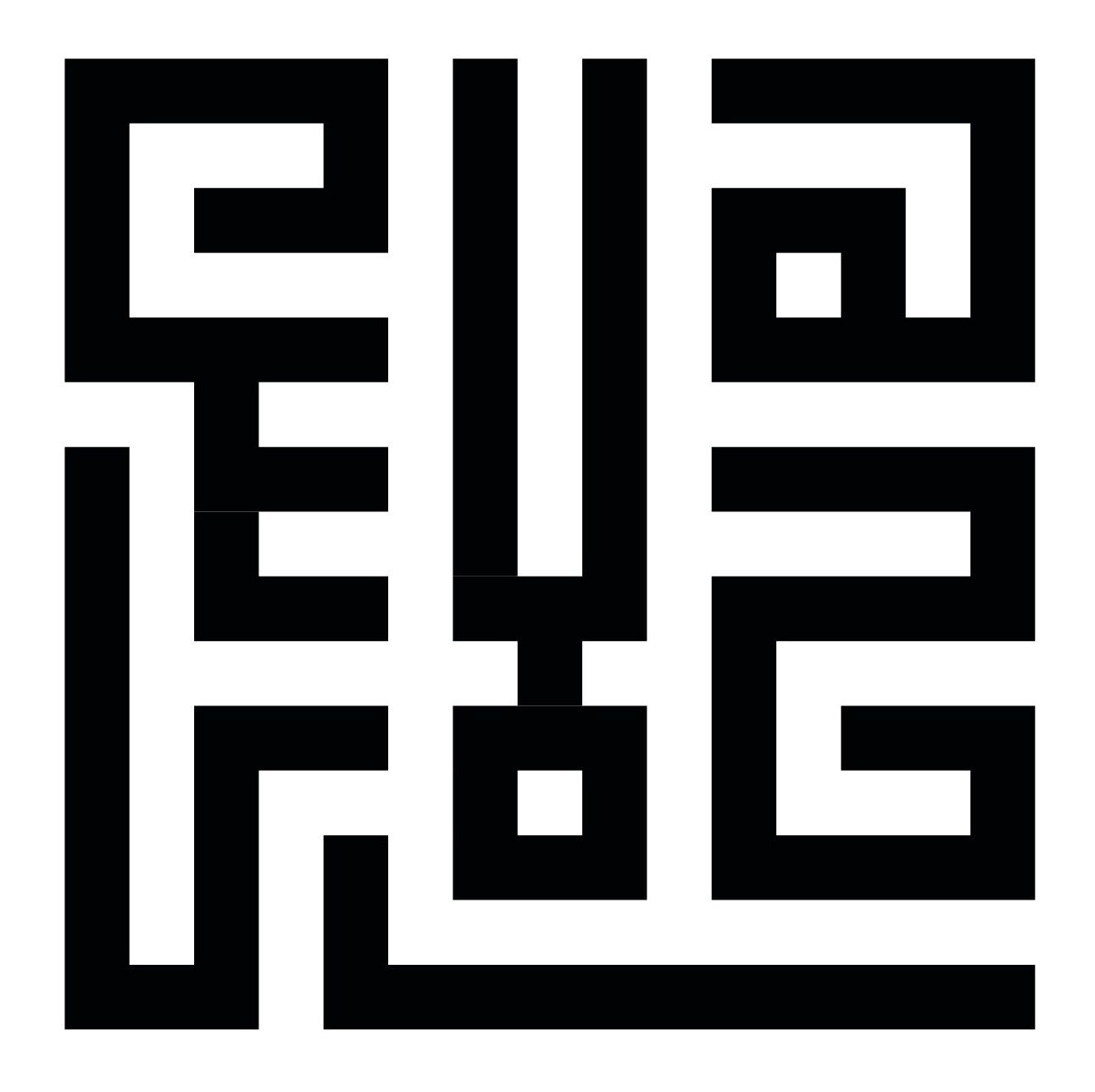
This project investigates how cultural motifs embedded within Arabic letterforms can be translated into material and spatial typographic expressions. Drawing from Arabic calligraphic traditions and ornamental vocabularies, the work reinterprets selected letterforms as sculptural and installation-based objects. The typographic forms move beyond graphic representation, becoming physical structures that invite spatial reading and embodied engagement. The project explores how meaning shifts when typography is removed from the flat page and situated within three-dimensional space, using material, scale, suspension, and light as active design variables. In selected iterations, AI-based visualisation tools were used to test spatial placement, material behaviour, and lighting scenarios prior to fabrication, supporting speculative exploration rather than replacing design authorship. Frascati Criteria Alignment Novel The work introduces a contemporary approach to Arabic typography by integrating cultural motifs into spatial, material-based typographic forms, extending script research beyond conventional graphic outputs. Creative It combines typographic design, cultural research, and sculptural experimentation, using form, material, and space as expressive components of meaning. Uncertain in Outcome The project involved open-ended experimentation with form, scale, and materiality, where visual, spatial, and semantic outcomes were not predetermined and evolved through iterative testing. Systematic The process followed a structured methodology: research into cultural motifs and letter anatomy, typographic abstraction, material exploration, spatial testing (including AI-assisted visualisation), and critical reflection. Transferable / Reproducible The methods developed—translating typographic structures into spatial and material systems—can be applied to other scripts, cultural contexts, and typographic research projects.