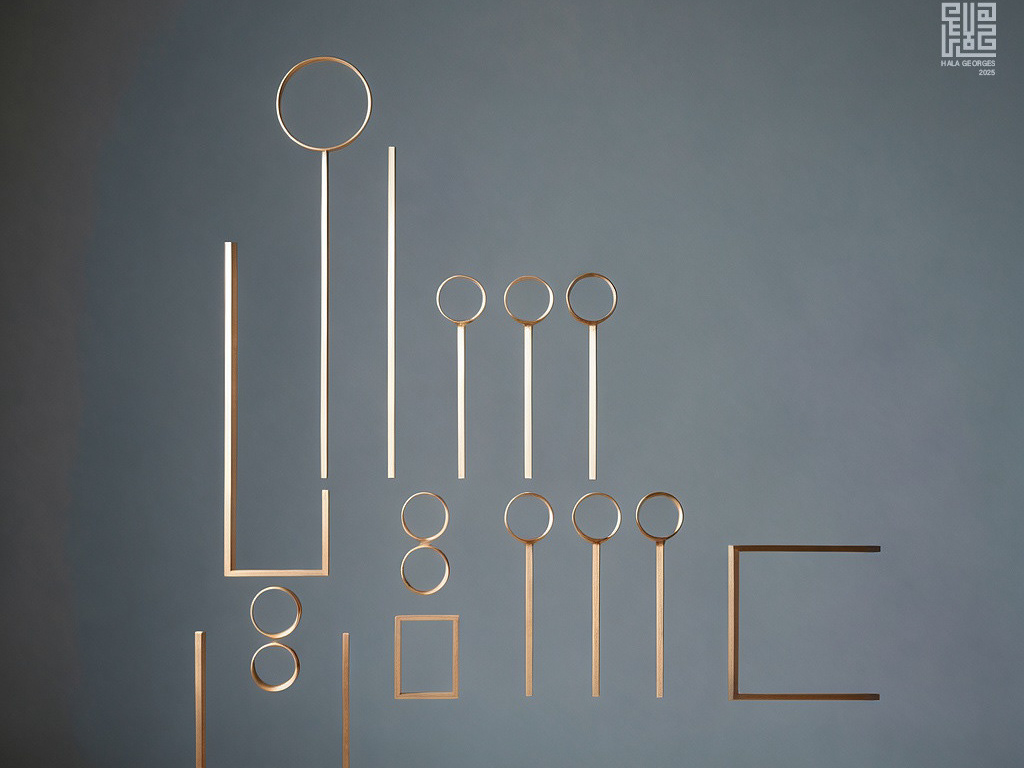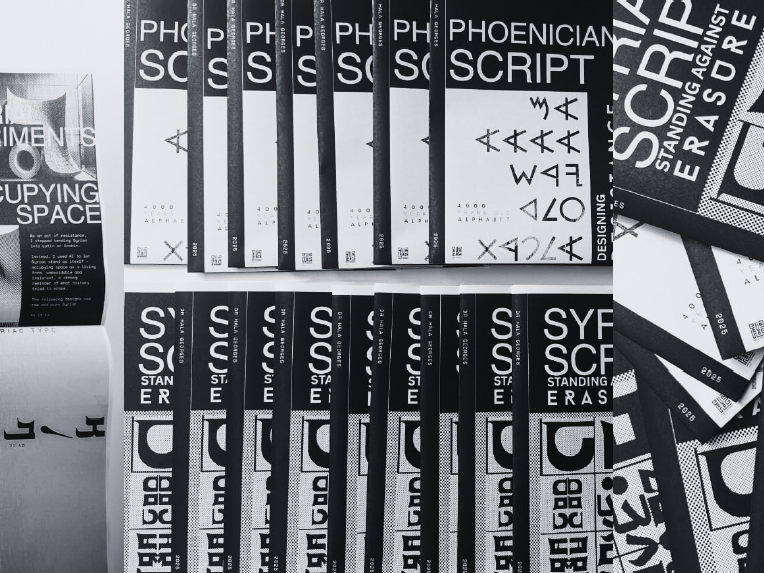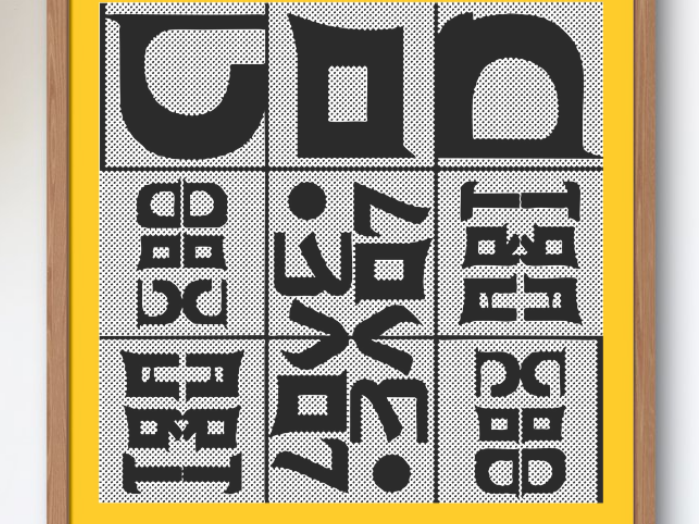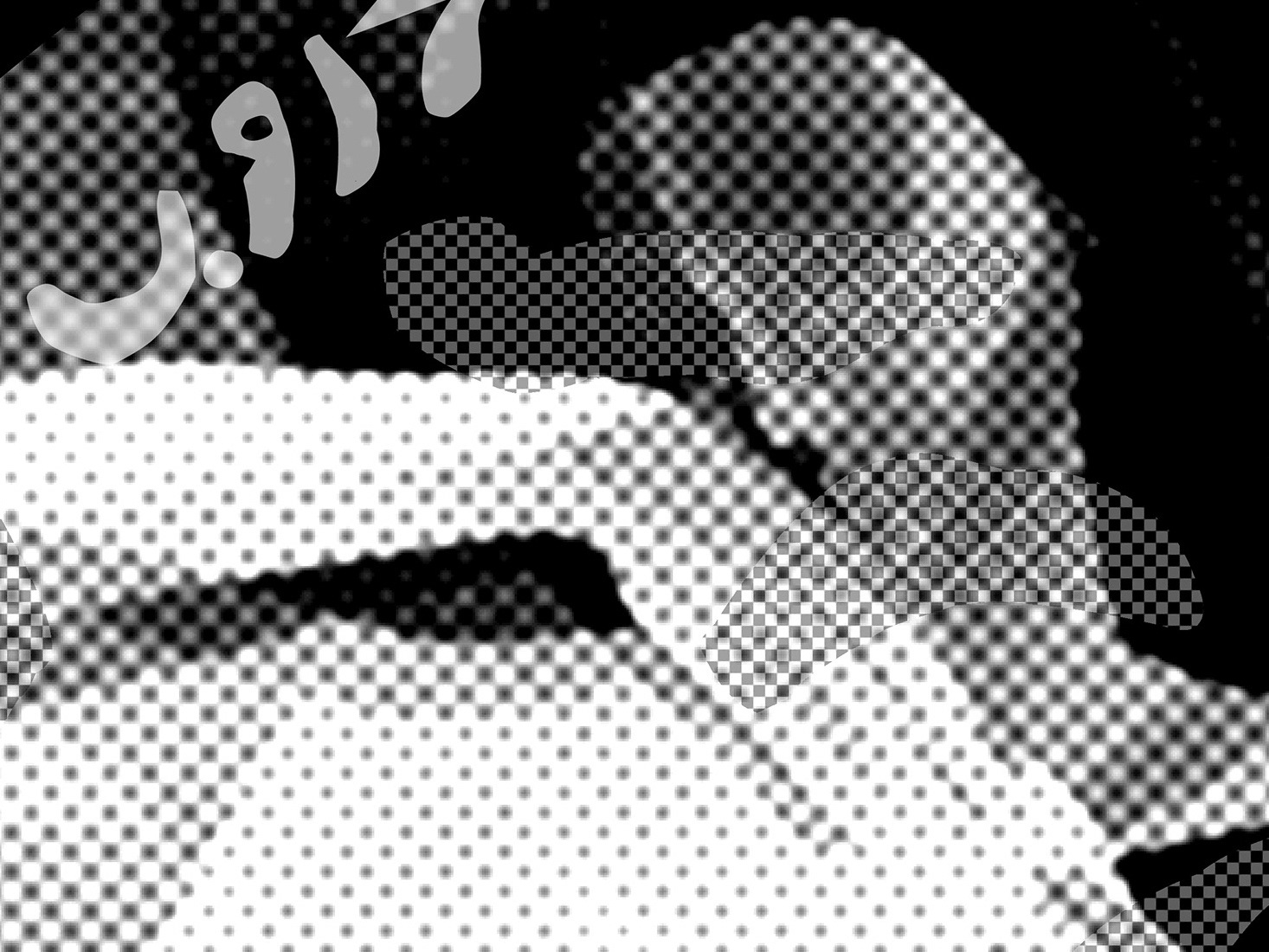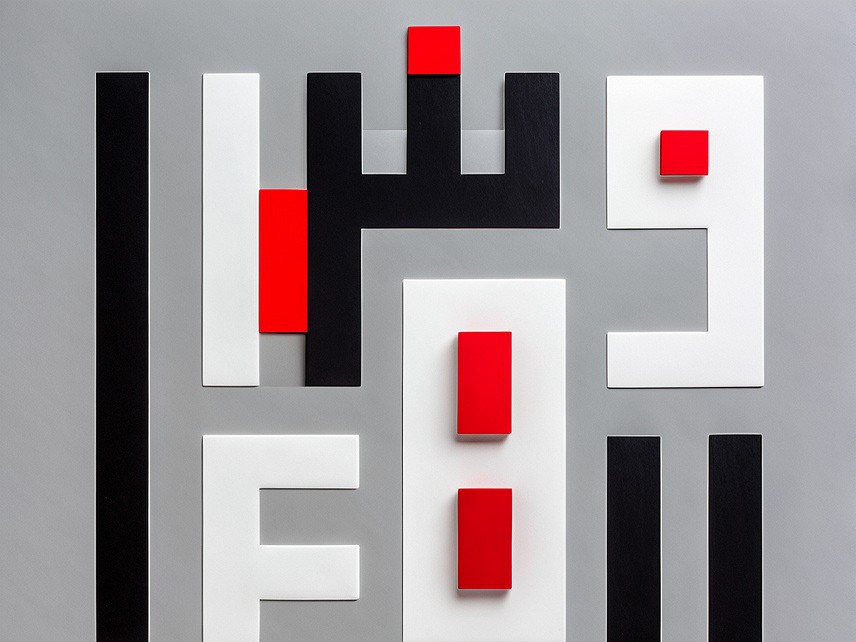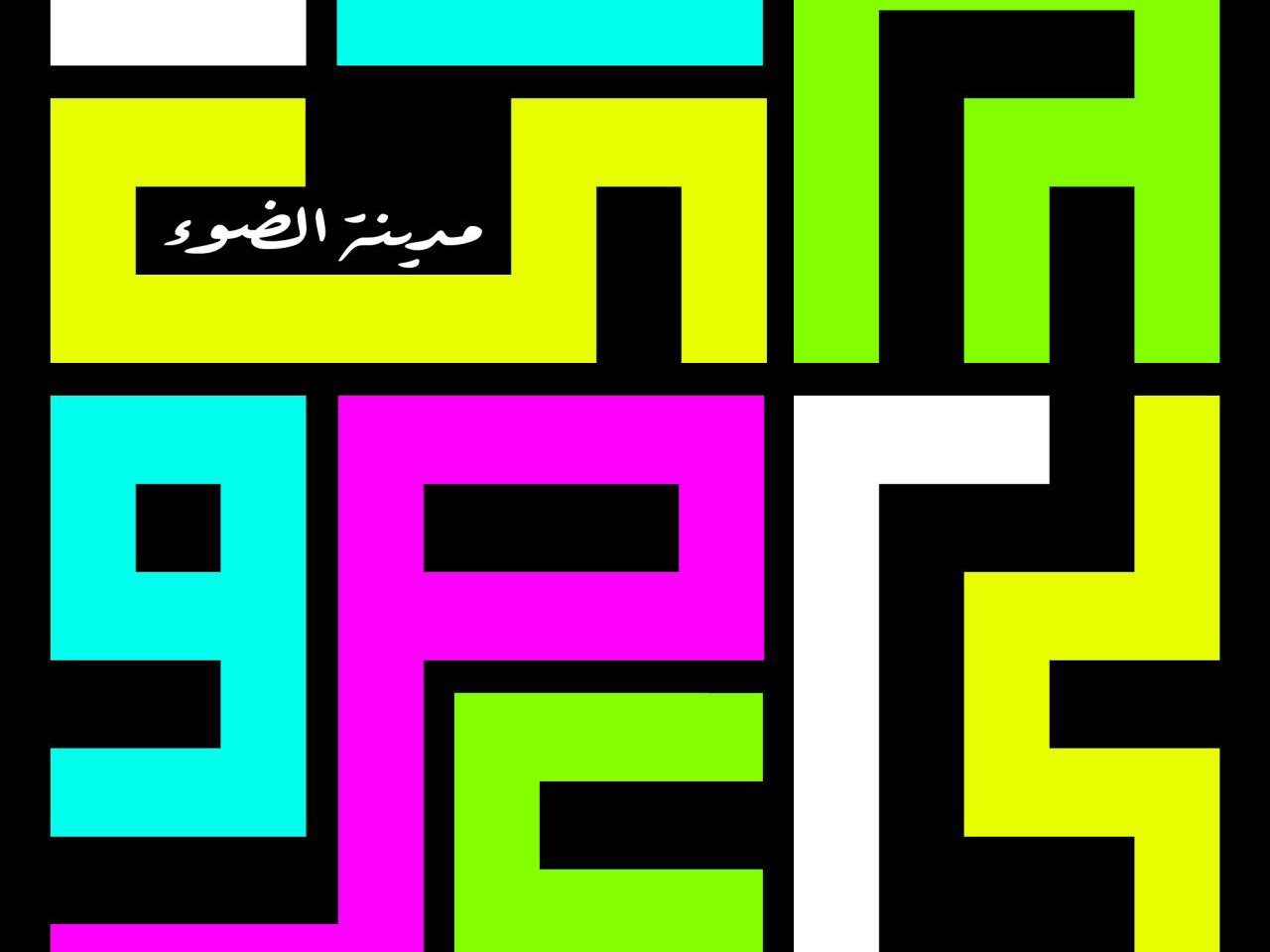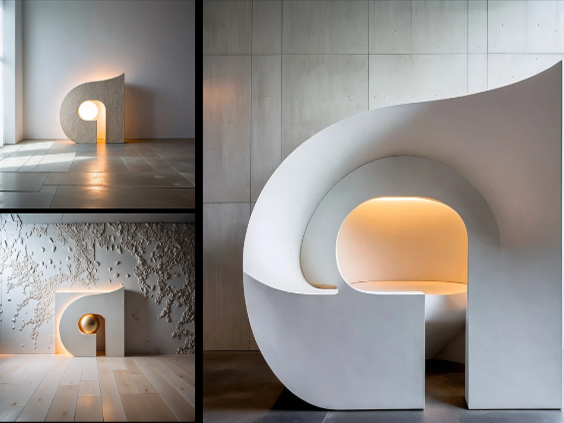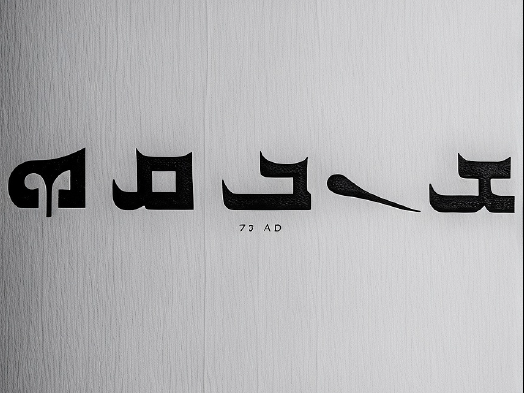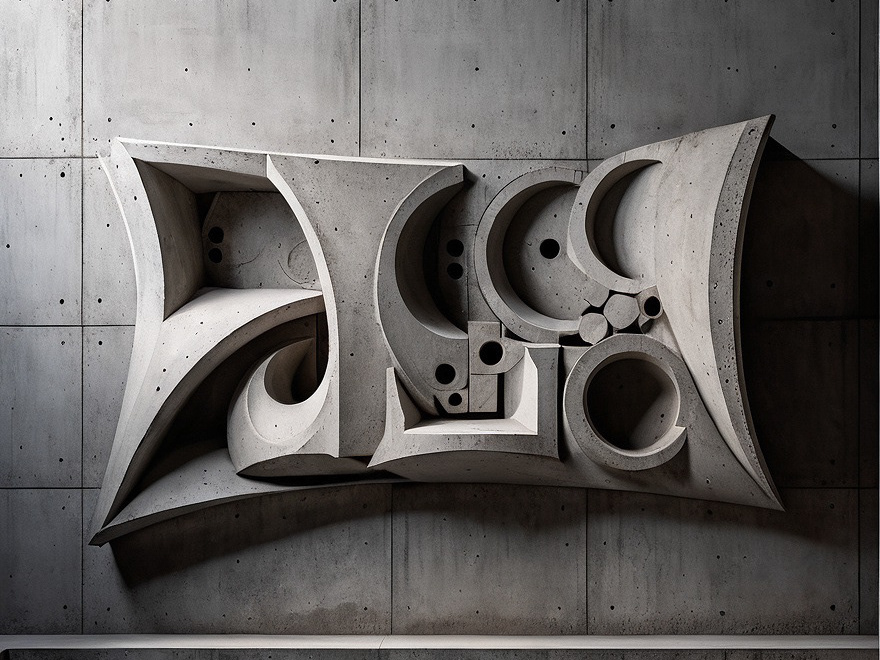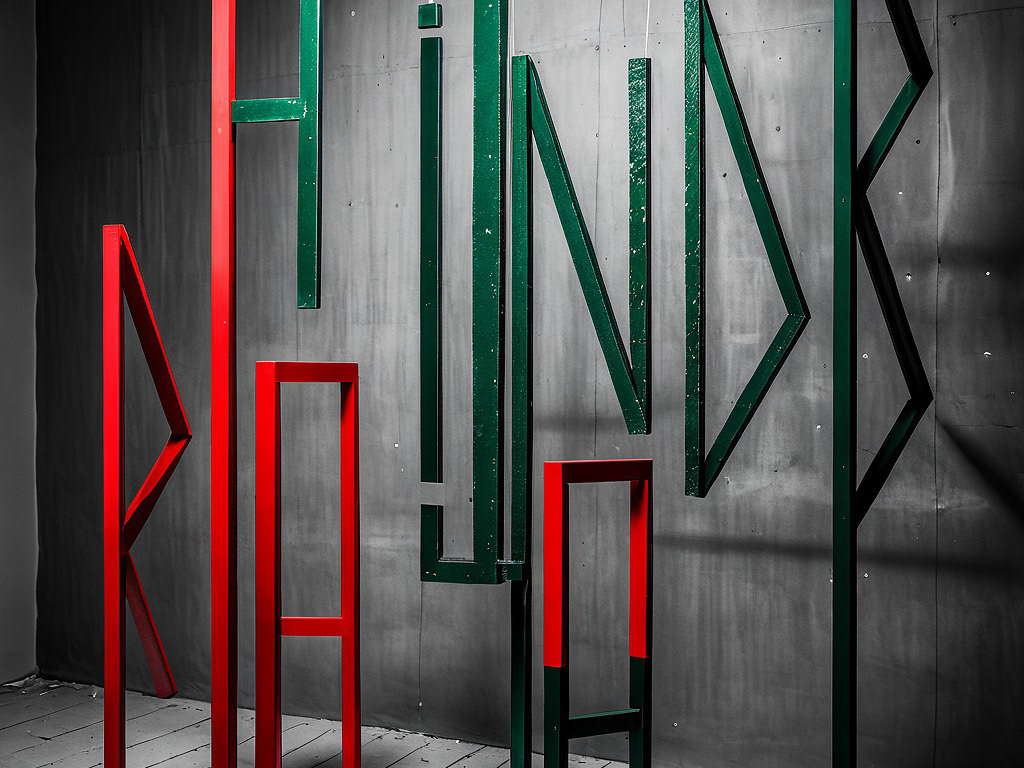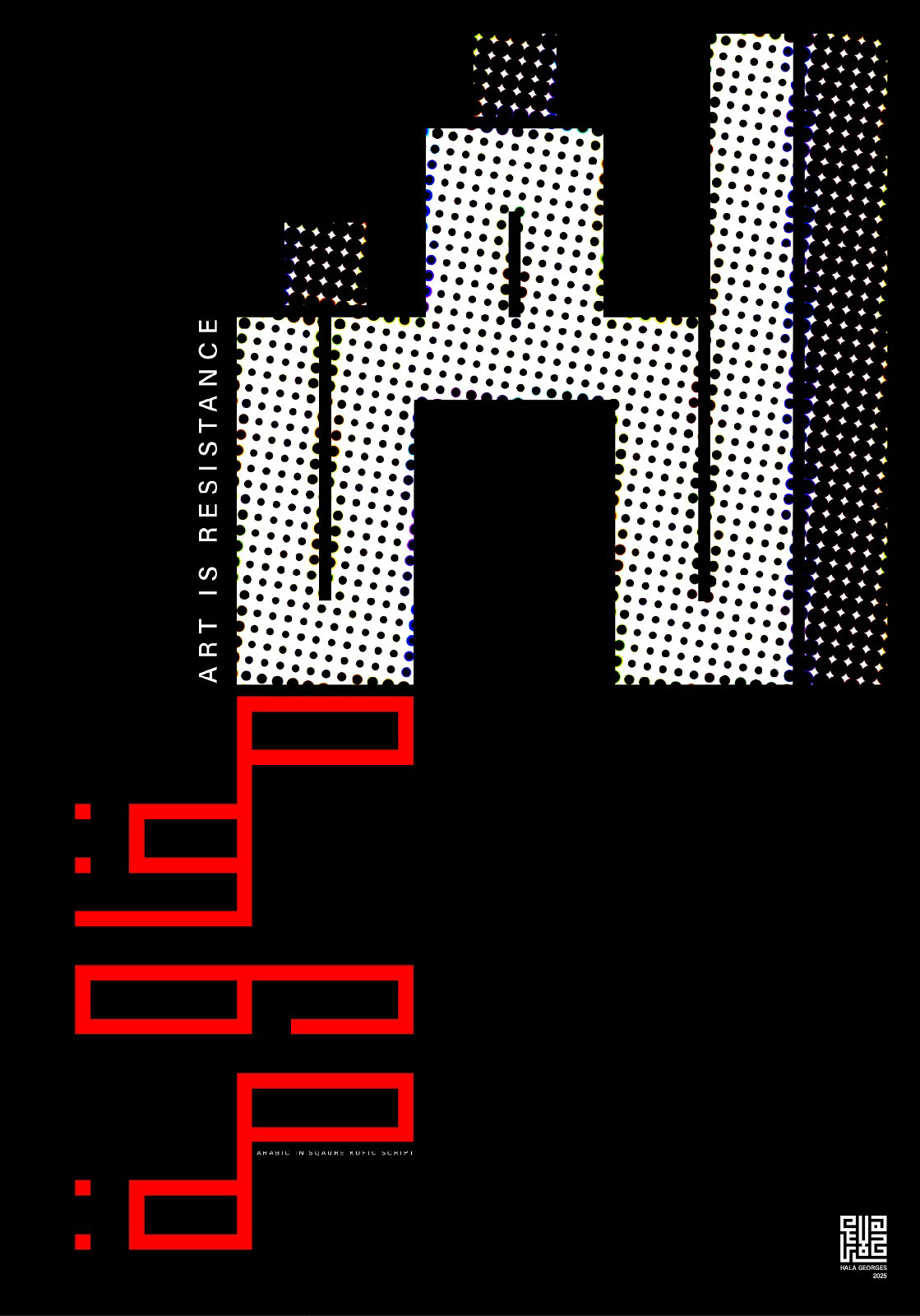
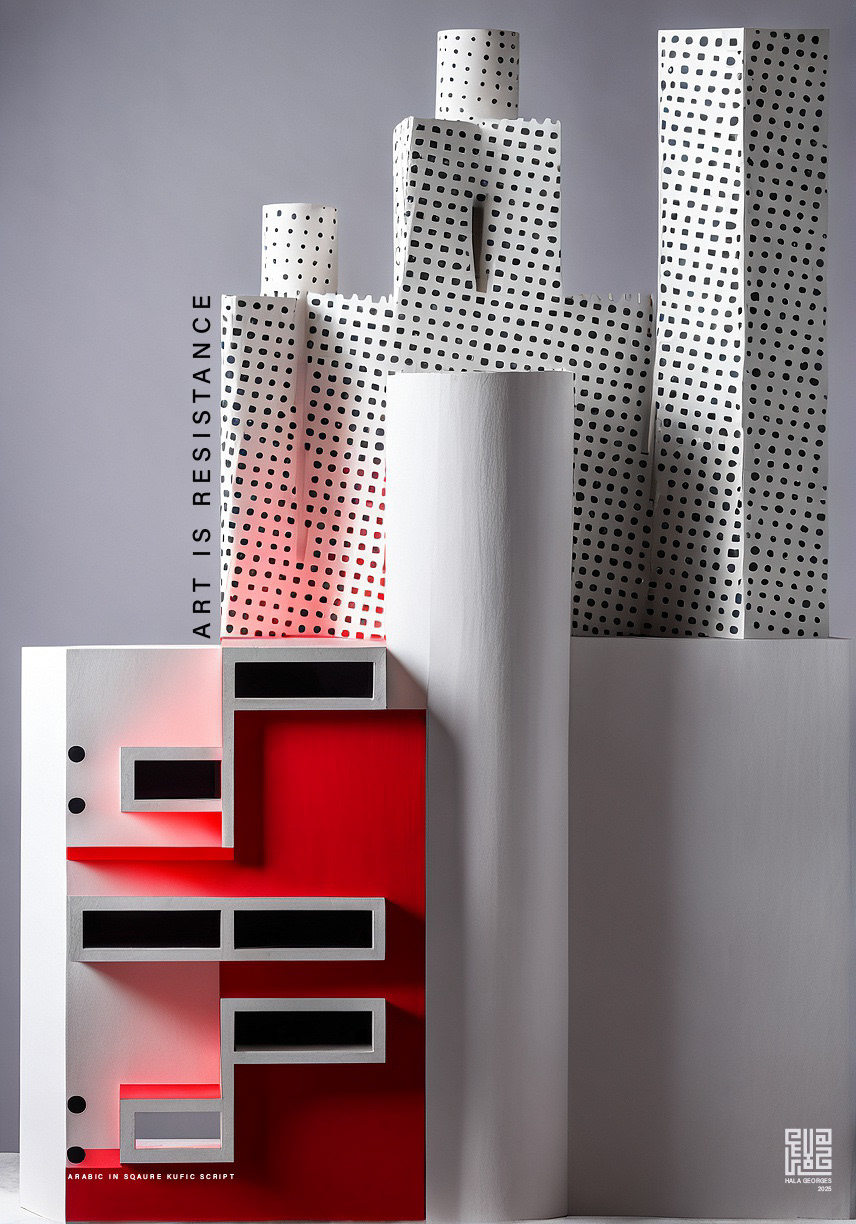
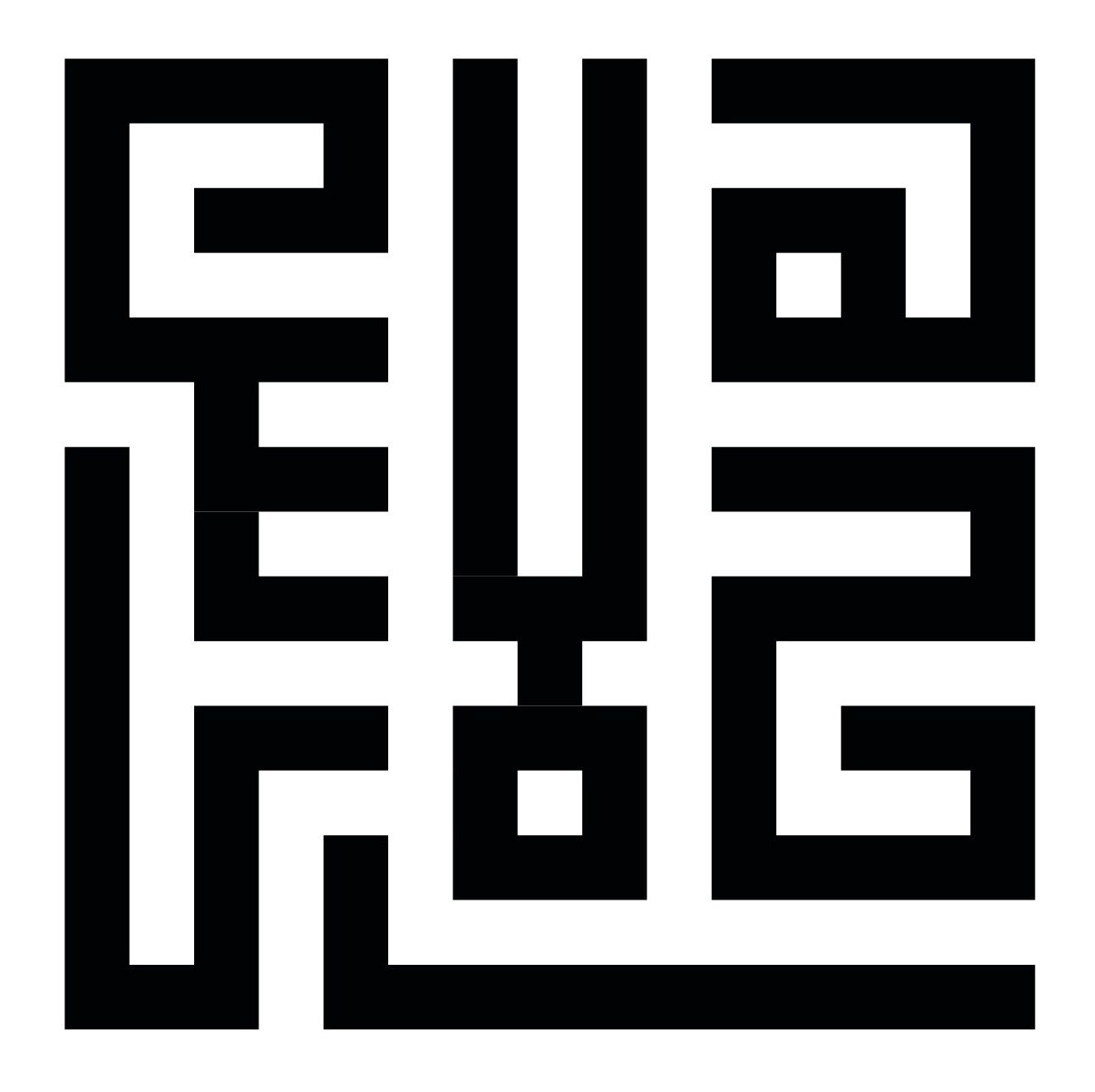
Art Is Resistance explores the transformation of a two-dimensional typographic composition into a spatial, material proposition. Originating as a graphic work, the project investigates how abstract letterforms and compositional structures can be translated into three-dimensional space while retaining their political and conceptual charge. The work treats typography not merely as text, but as an embodied form—one that occupies space, casts shadows, and engages the viewer physically rather than only visually. The transition from 2D to 3D is deliberately abstract rather than literal. Forms are fragmented, suspended, and reassembled as spatial elements, allowing meaning to emerge through absence, tension, and scale. Materiality plays a critical role: weight, texture, and structural balance become carriers of resistance, echoing the persistence and fragility inherent in acts of cultural and political expression. AI-based visualisation was used as a speculative tool to test spatial configurations, material behaviours, and installation contexts prior to fabrication. This allowed the work to be explored beyond the limits of the flat surface, positioning typography as an architectural and performative gesture. The project frames resistance not as a slogan, but as a condition—embedded in form, process, and spatial presence. Frascati Criteria Alignment Novel The work introduces an original approach to political typography by translating abstract typographic structures into spatial, material forms, extending graphic design into the realm of installation-based research. Creative Creative decisions underpin every stage of the process, from typographic abstraction and compositional fragmentation to material exploration and spatial arrangement. Uncertain in Outcome The shift from 2D composition to 3D form involved inherent uncertainty regarding legibility, balance, material behaviour, and viewer interpretation, with outcomes emerging through iterative testing. Systematic The project followed a structured methodology: conceptual framing → typographic abstraction → spatial prototyping → AI-assisted visualisation → material and spatial refinement. Transferable / Reproducible The research process and conceptual framework can be applied to other typographic texts, political statements, and cultural contexts, offering a replicable model for spatial typographic practice.