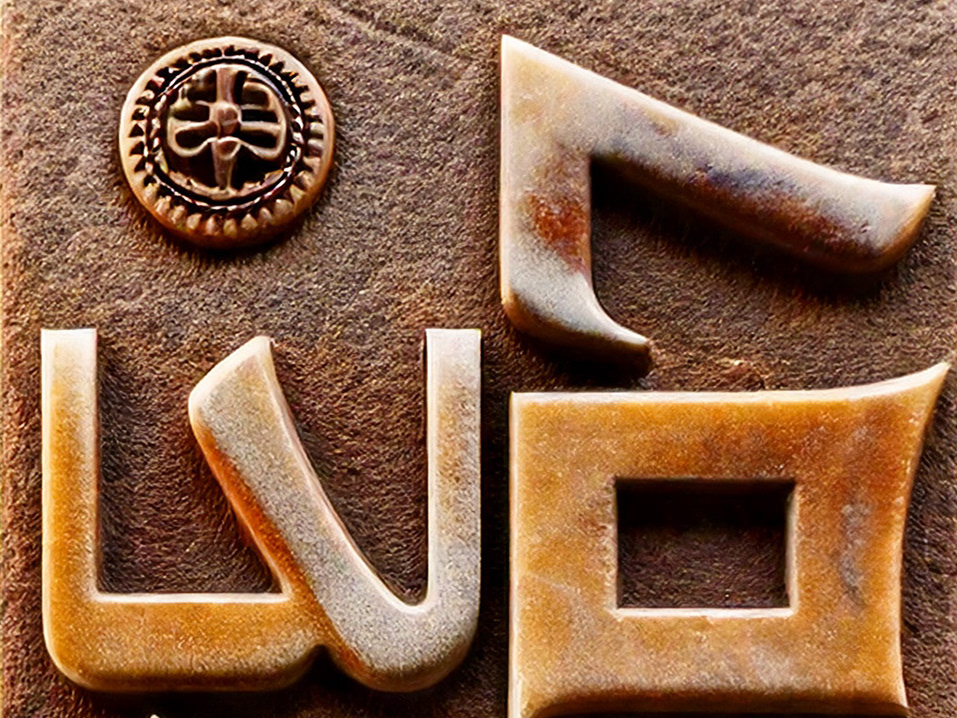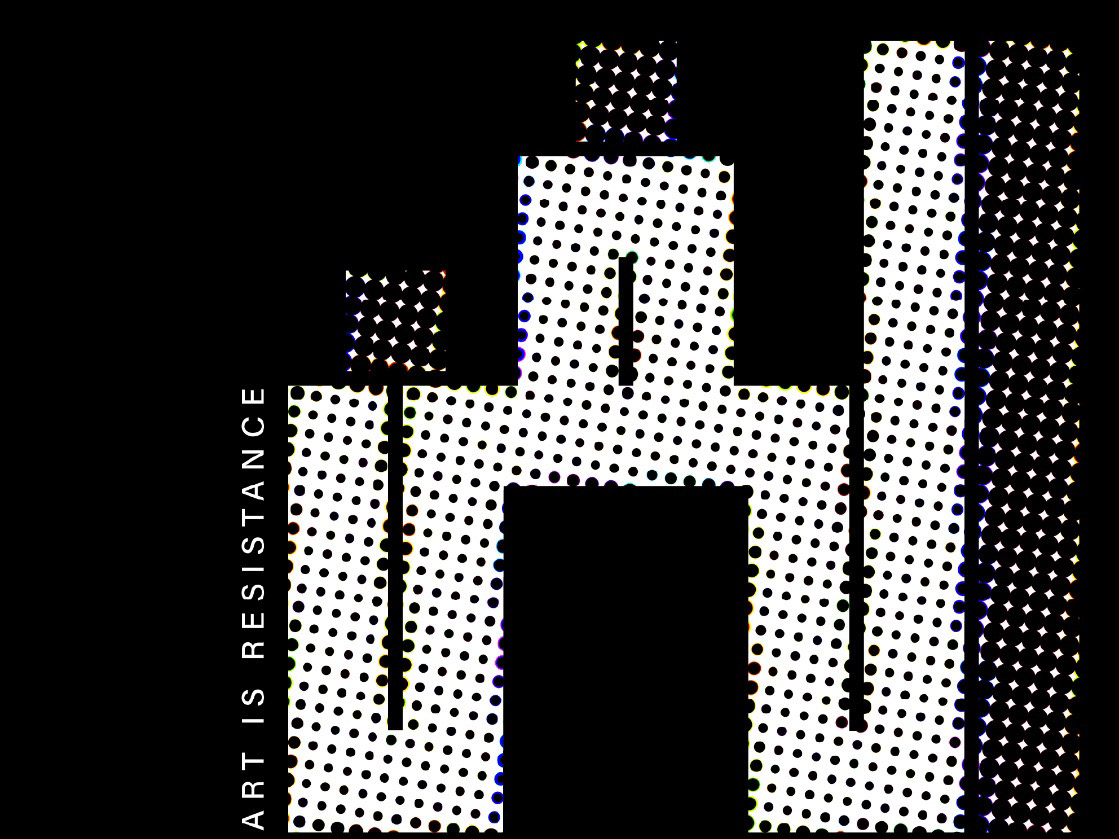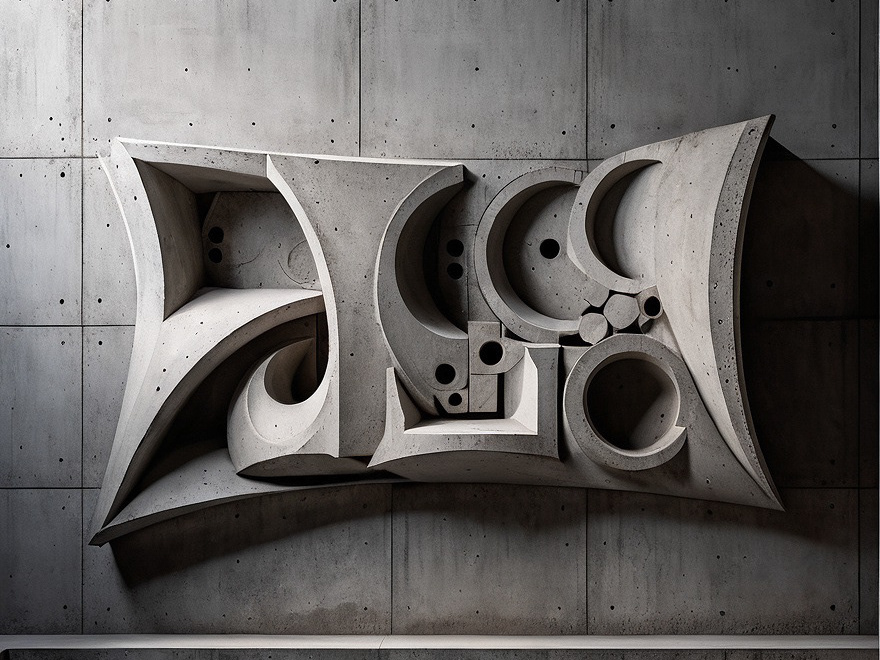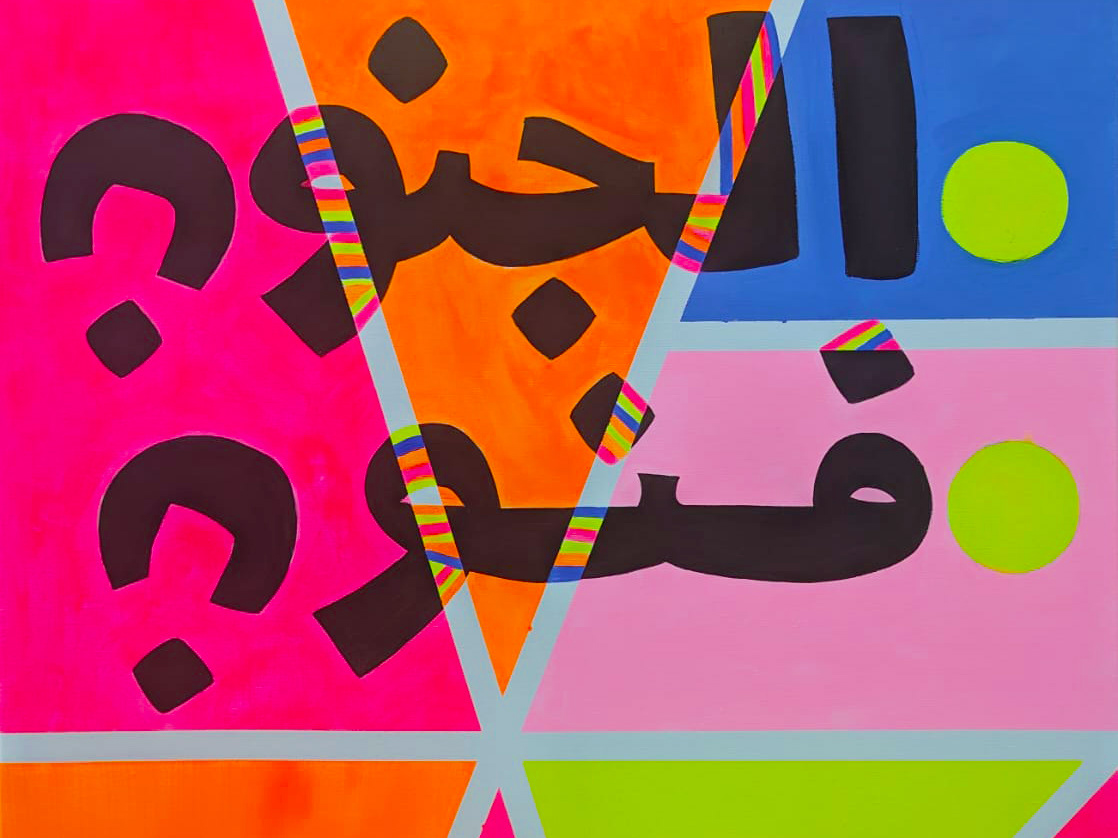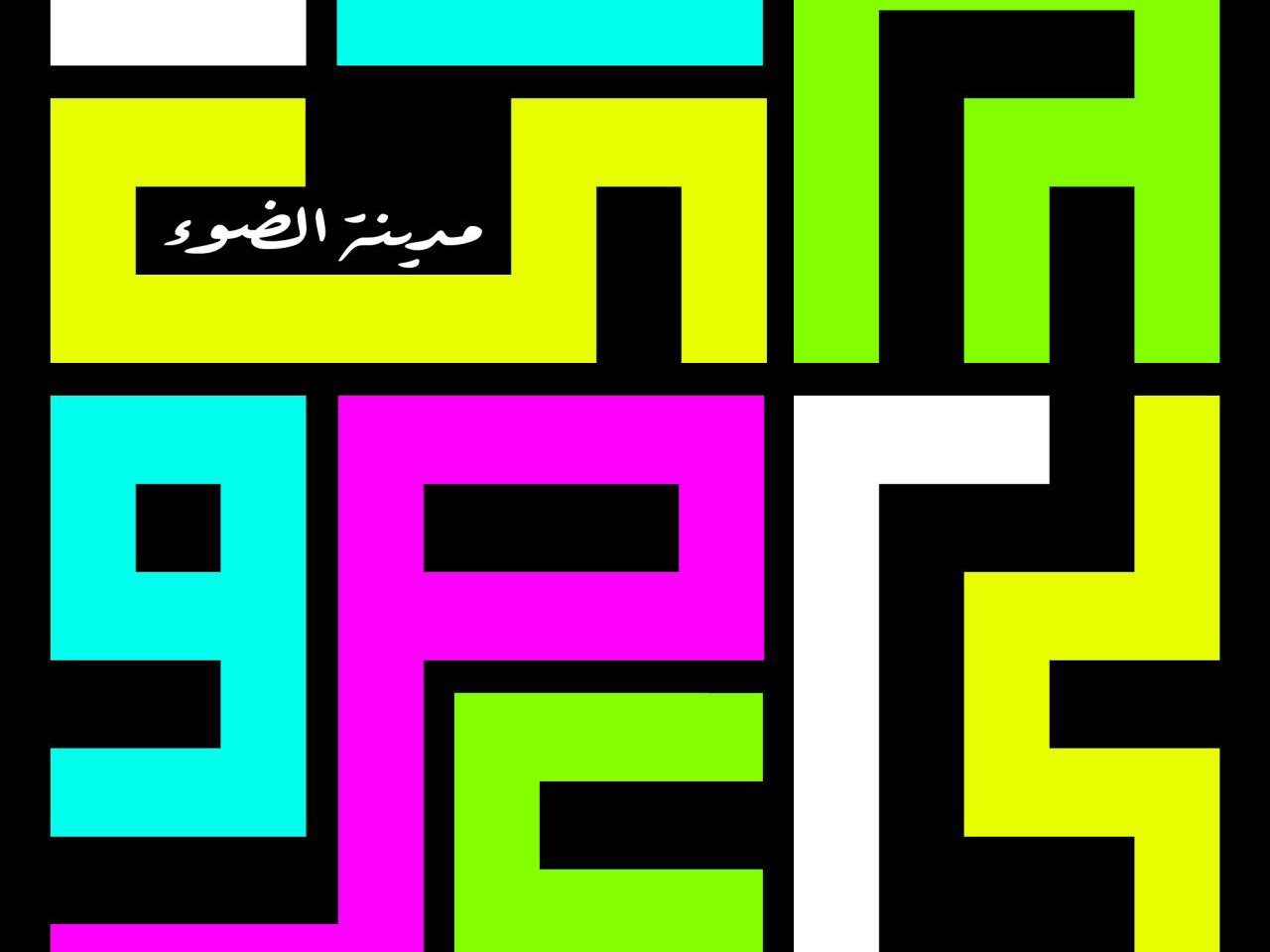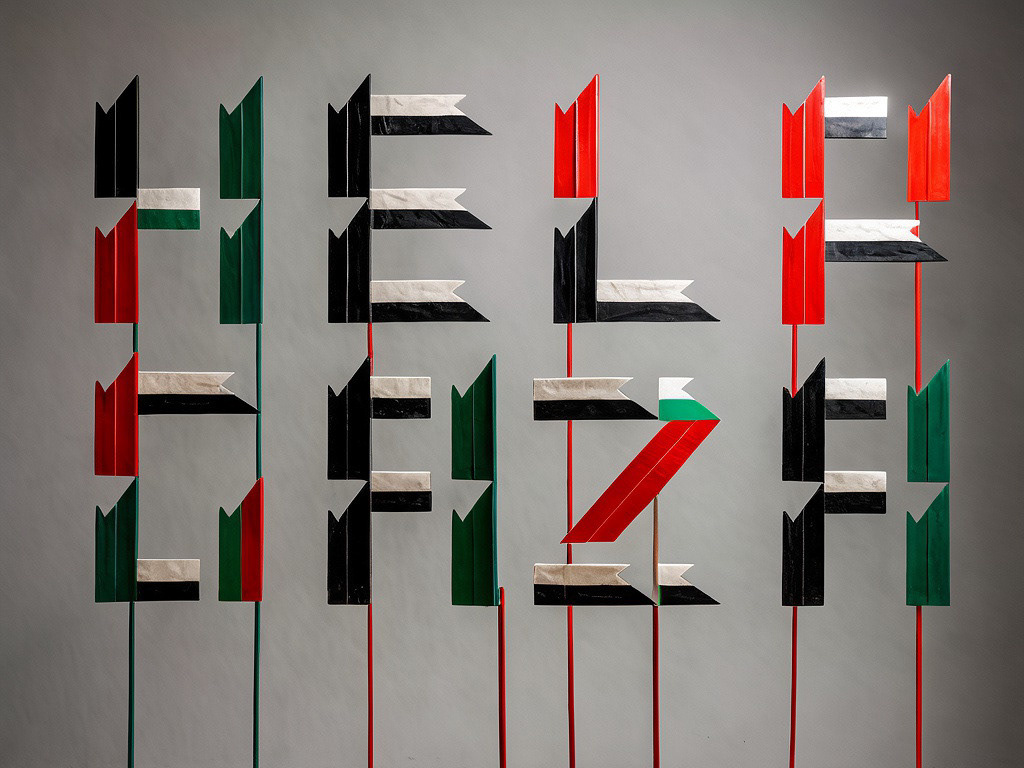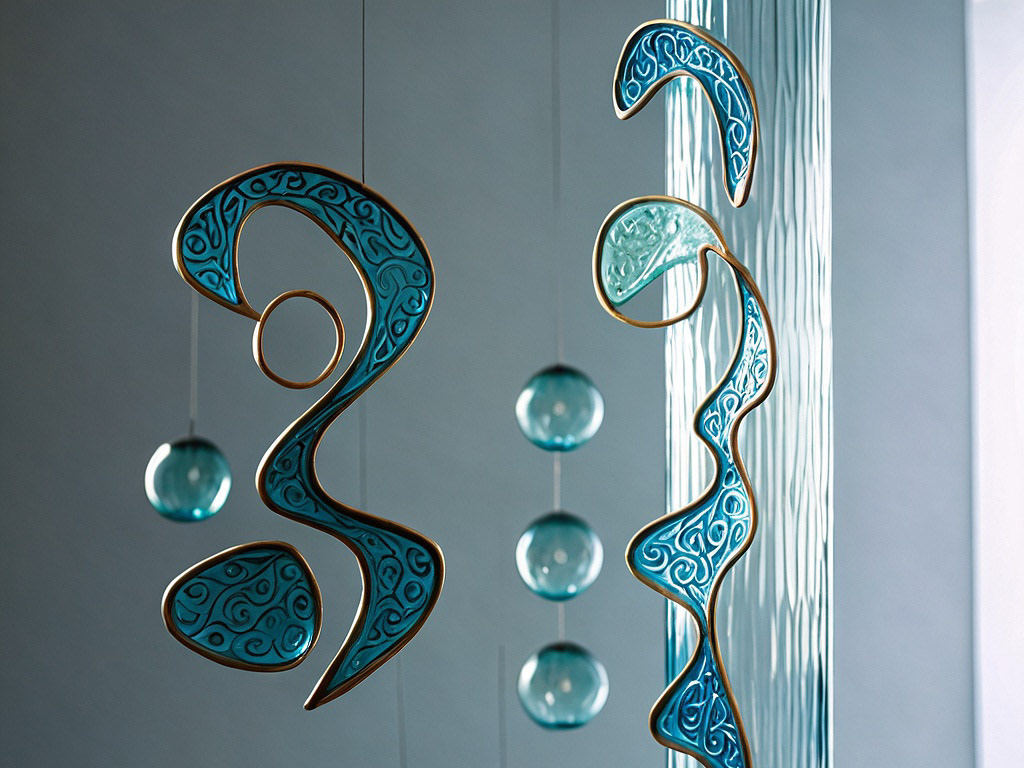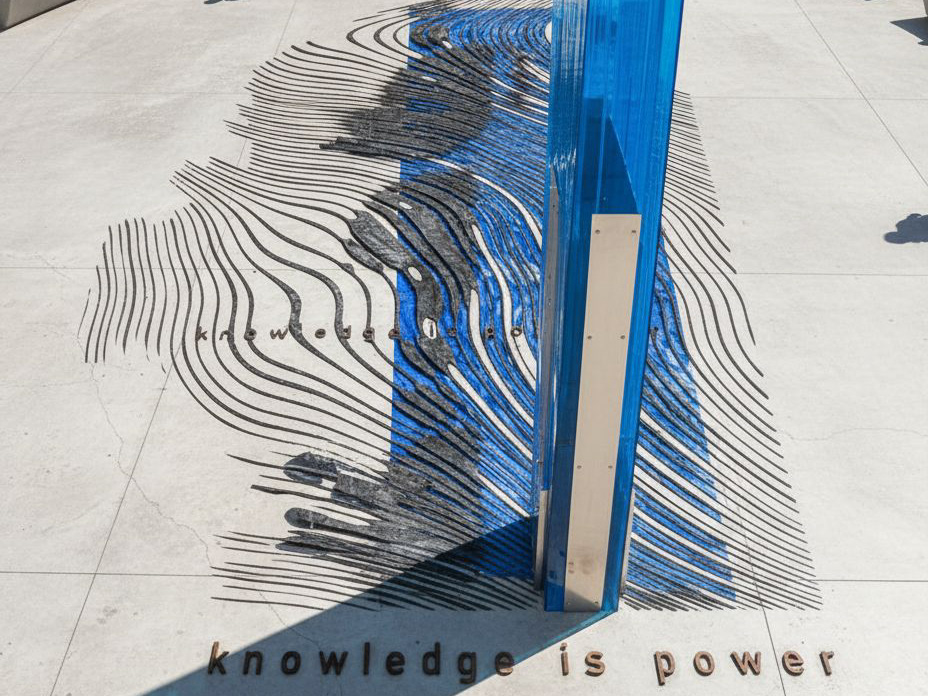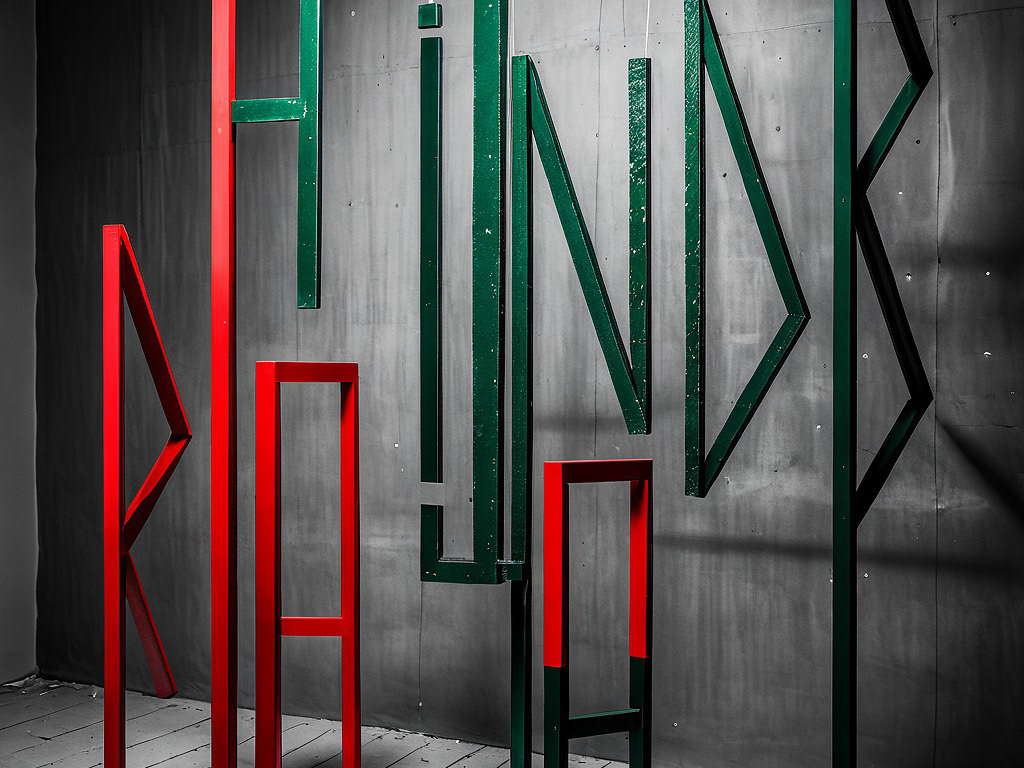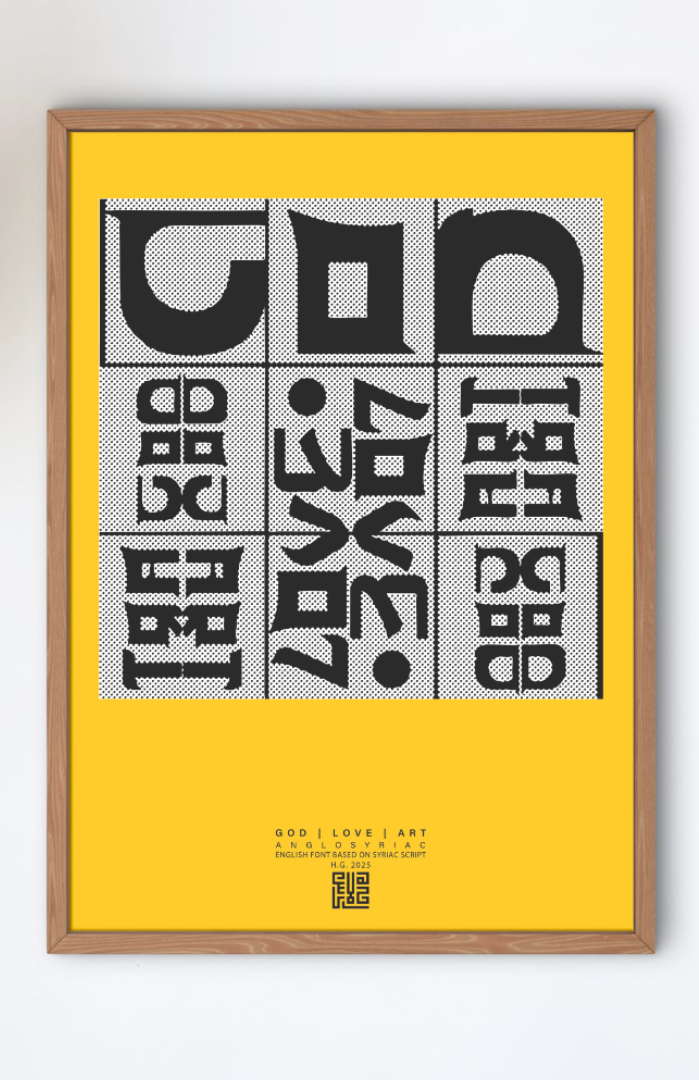
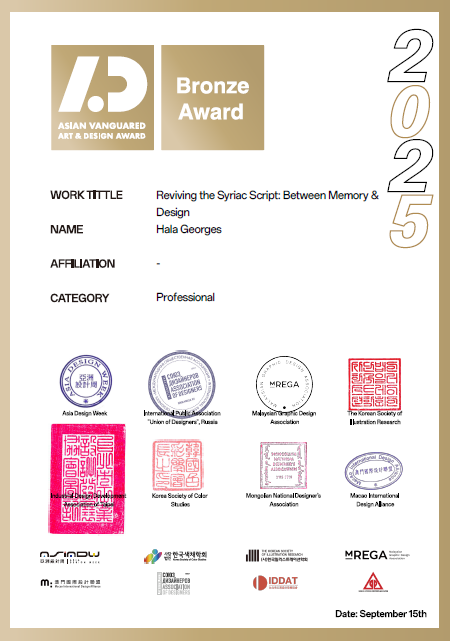
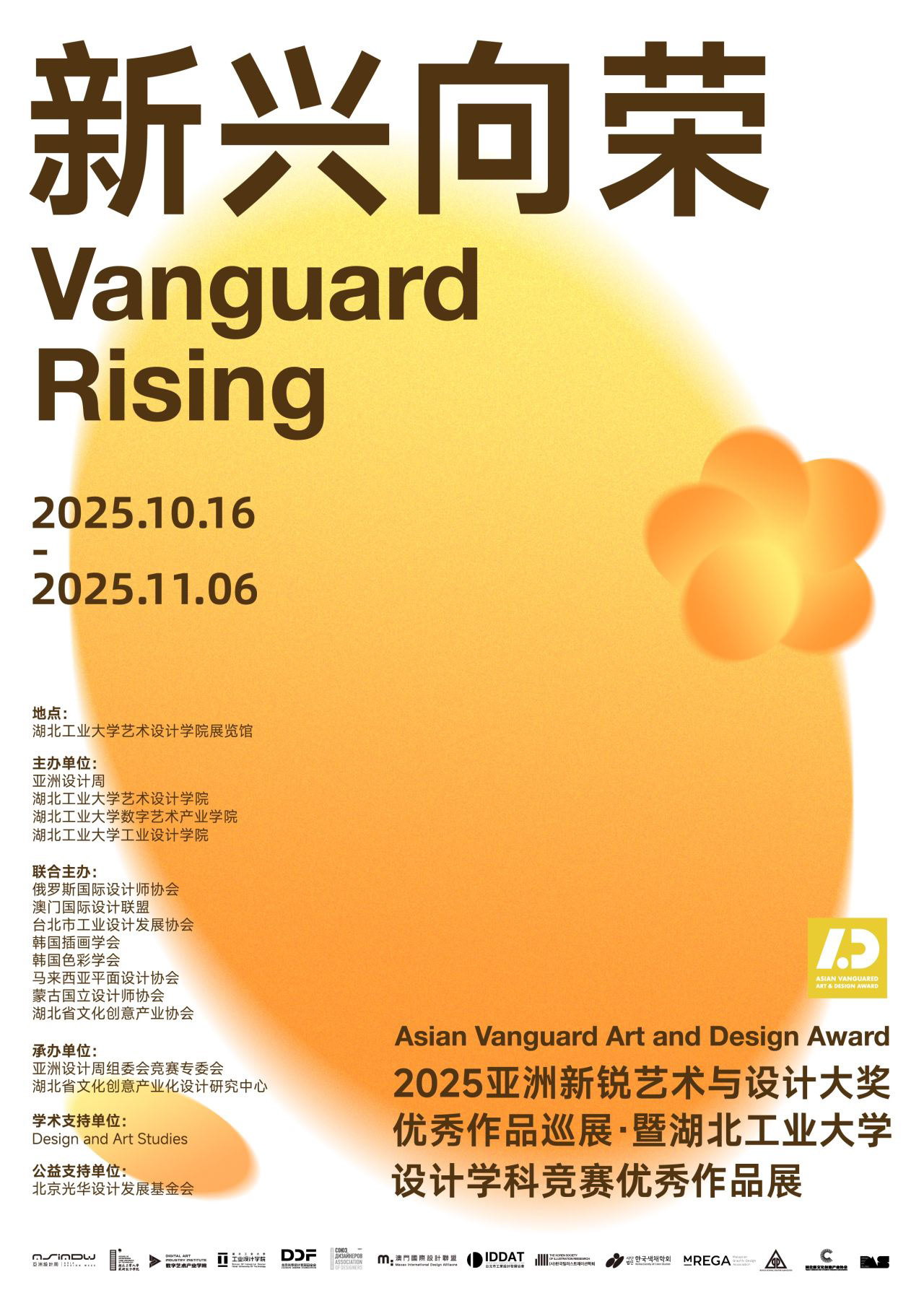
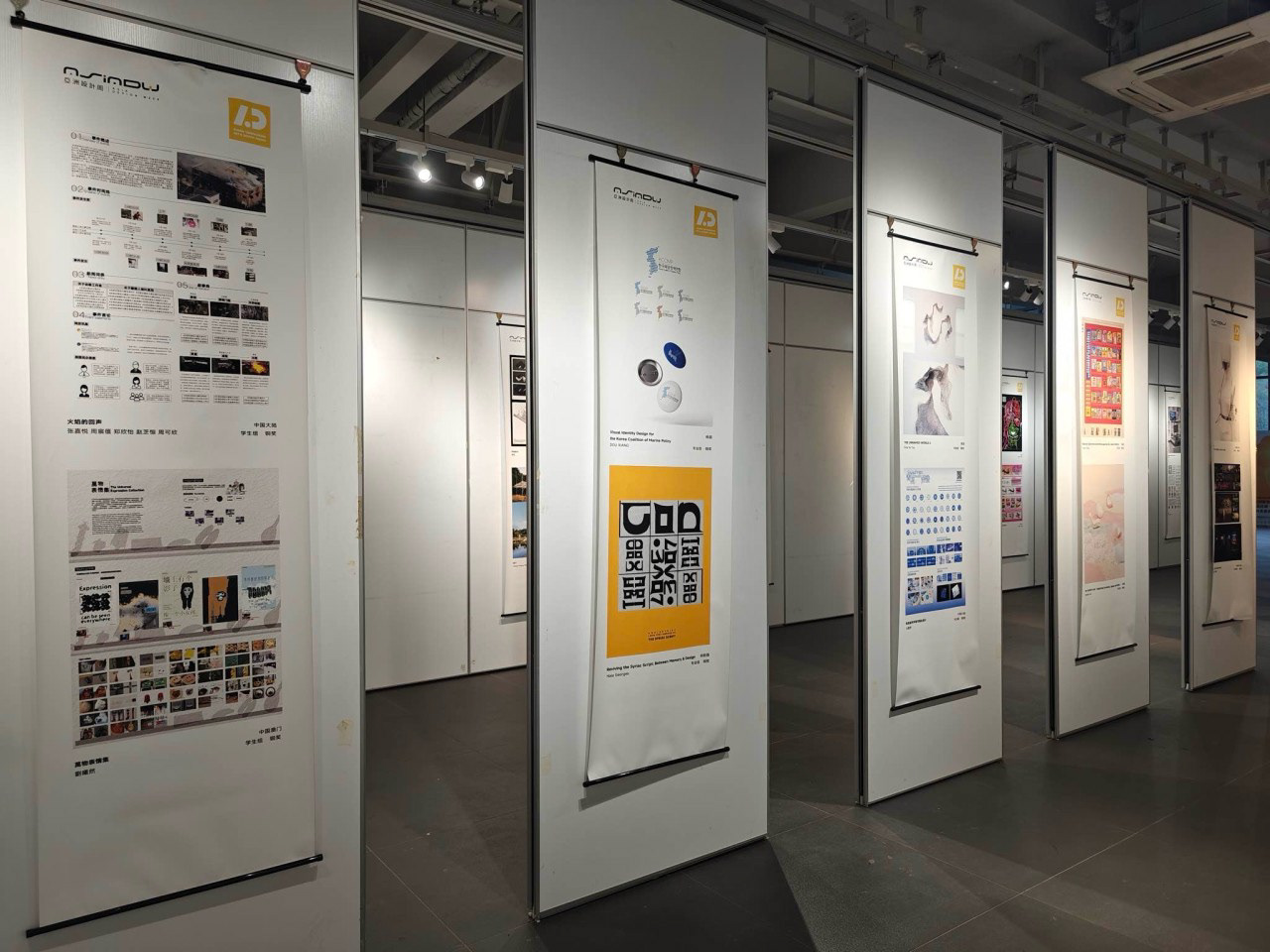
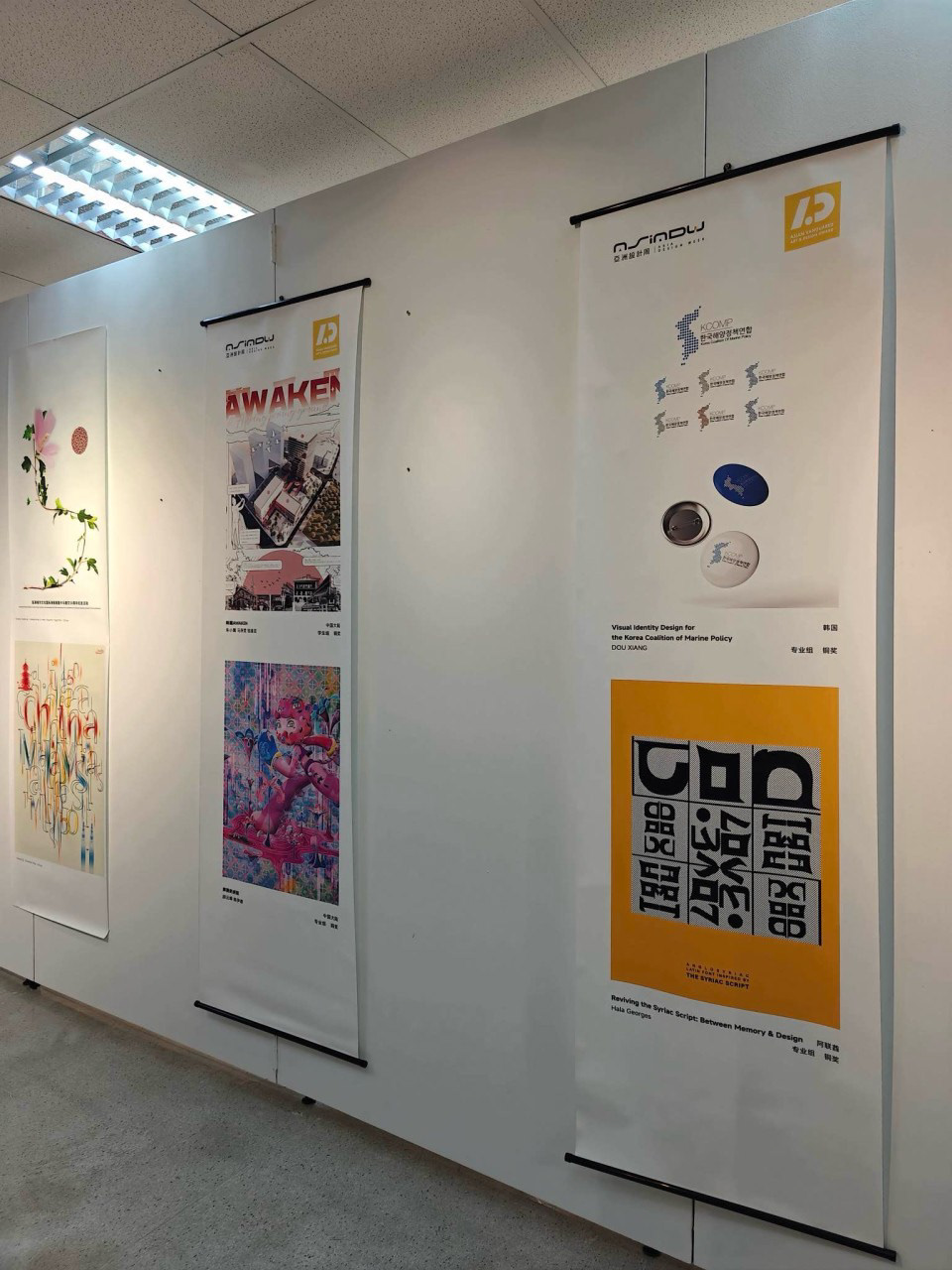
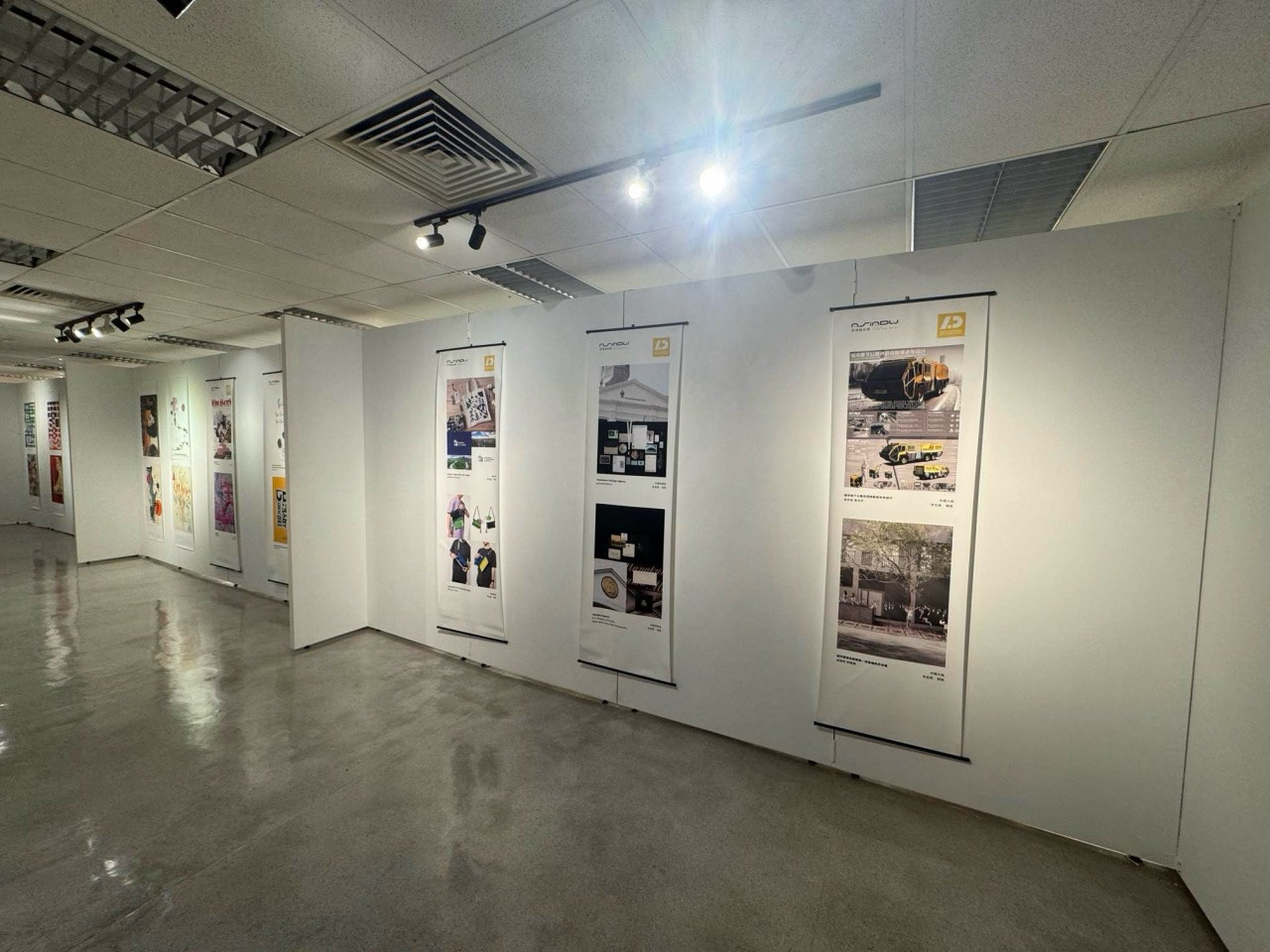
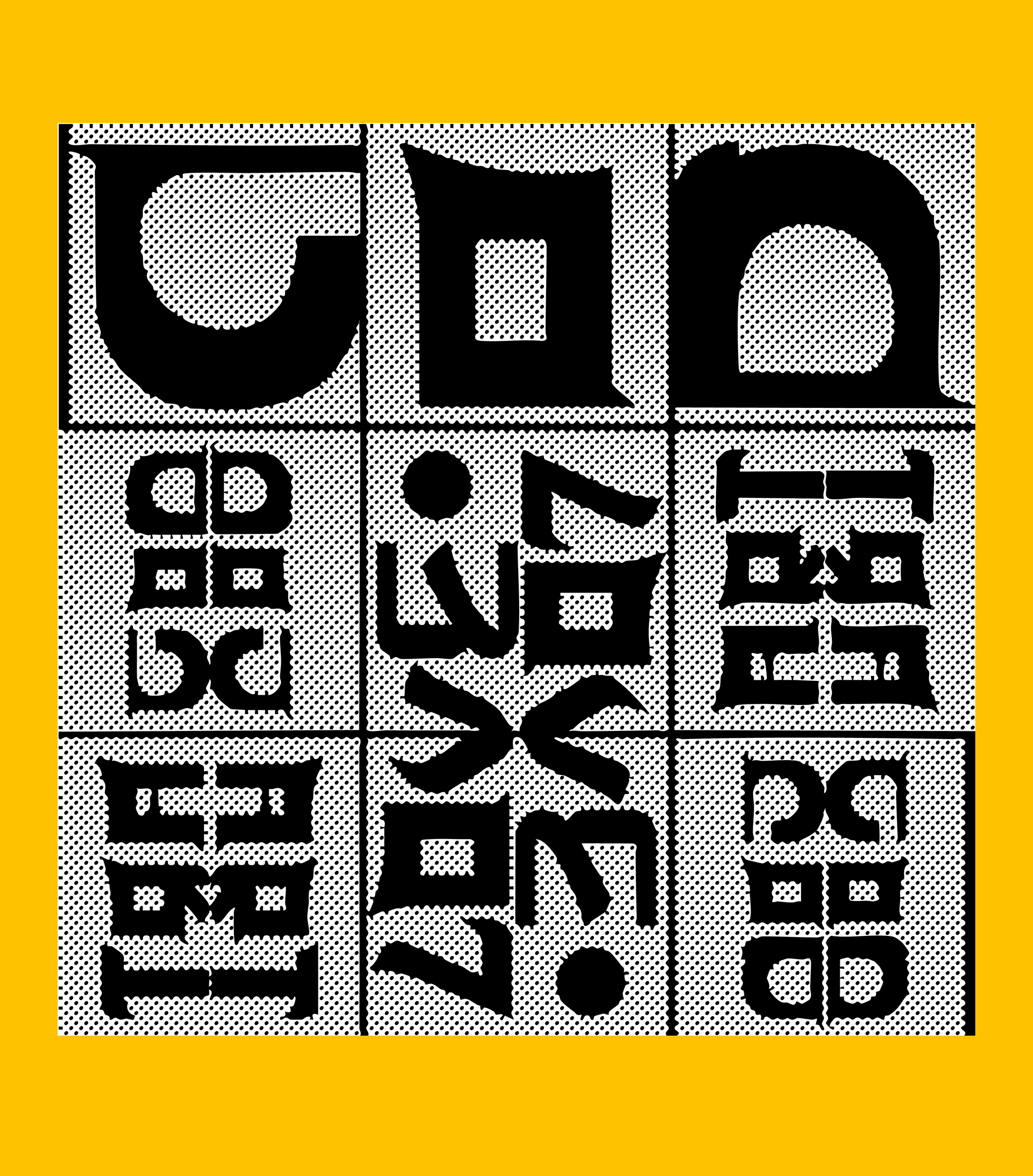
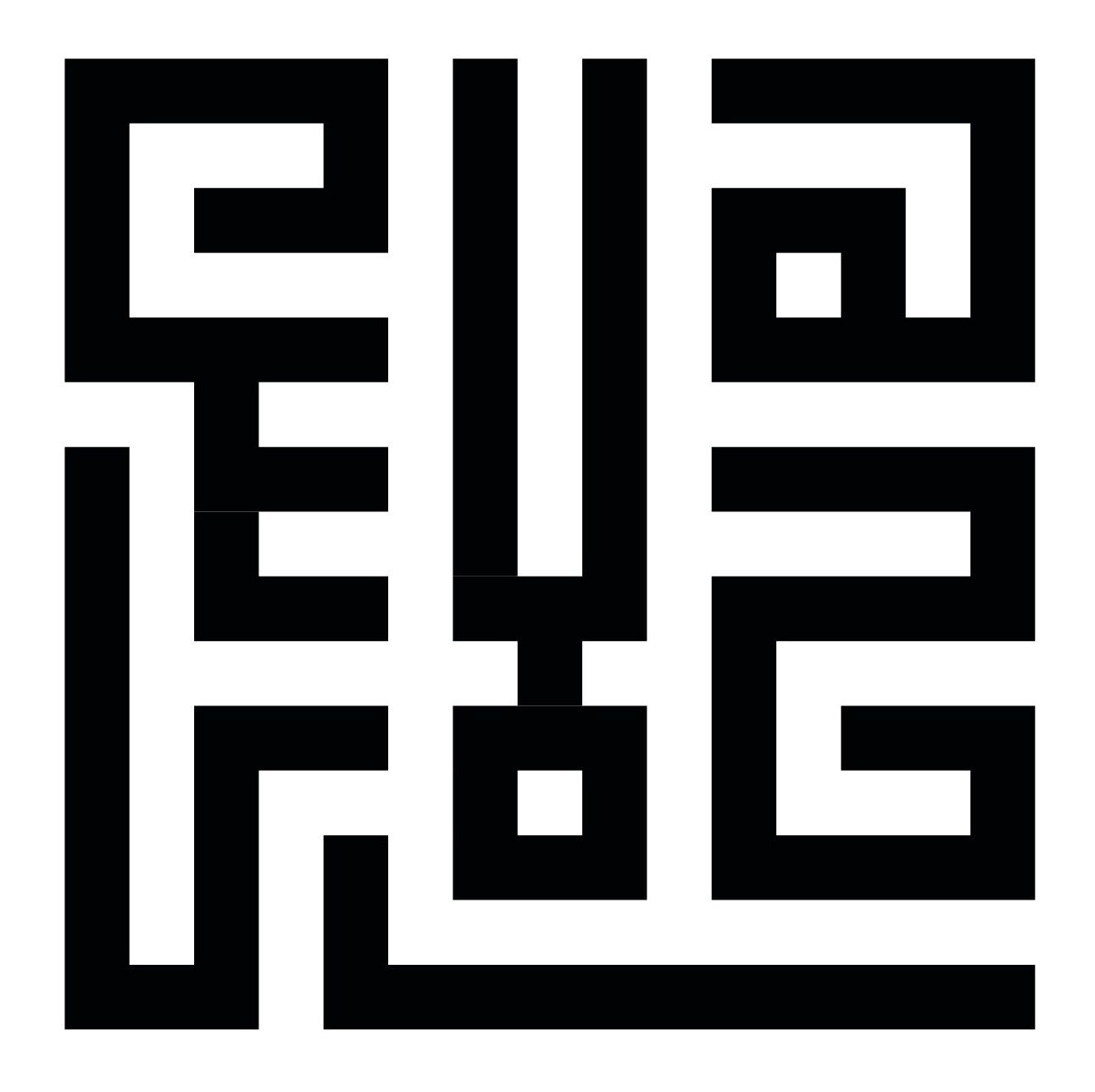
This body of work investigates the contemporary reinterpretation of the Syriac script through typographic design, editorial publications, and experimental visual dissemination. The project examines how an ancient writing system—historically subject to marginalisation and erasure—can be re-activated within contemporary design practice while retaining its structural integrity, cultural specificity, and political resonance. The research operates across analogue and digital outcomes. Script-based investigations were translated into folded A3 editorial publications, conceived as self-contained research artefacts that function independently from the classroom, exhibition space, or screen. Editorial sequencing, folding, scale, and materiality were used as methodological tools, positioning typography simultaneously as research content and research method. The publications were designed to circulate, be handled, and be encountered beyond formal institutional contexts, reinforcing typography as a mobile and distributable research output. Alongside analogue publications, selected graphic works were extended through AI-assisted visualisation to explore how typographic forms might operate at architectural and urban scales. In this context, AI was used strictly as a visualisation tool to simulate spatial and material installations—not as a generative design author. These visualisations enabled speculative engagement with public space, allowing the typographic statements—addressing themes of memory, resistance, knowledge, strength, and collective identity—to be imagined beyond the page as large-scale, public interventions. The project was disseminated internationally through Asia Design Week (October 2025) and exhibited across multiple academic institutions in Asia, including: -University of Macau (China) -University Malaya and Sunway University (Malaysia) -Hebei Academy of Fine Arts, Jingdezhen Ceramic University -Hubei University of Technology, and Beijing Forestry University (China) -Burapha University (Thailand). This multi-site exhibition framework positioned the work within a transnational academic and design discourse, extending its reach beyond a single institutional or geographic context. The project received the Bronze Award in the Professional Category at the Asian Vanguard Art & Design Award 2025, recognising its contribution to contemporary typographic research, cultural preservation through design, and critical engagement with script as a form of visual knowledge. Frascati Criteria Alignment This research satisfies the Frascati definition of research activity as follows: (i) Novel — It advances original methods for translating Syriac script into contemporary typographic and editorial forms. (ii) Creative — It employs experimental design strategies across print, spatial visualisation, and material thinking. (iii) Uncertain in outcome — The research outcomes were not predetermined, emerging through iterative visual and material experimentation. (iv) Systematic — The project followed a structured process of historical analysis, typographic development, editorial design, and dissemination. (v) Transferable / Reproducible — The methods and frameworks developed are applicable to other script-based, culturally situated design research contexts.