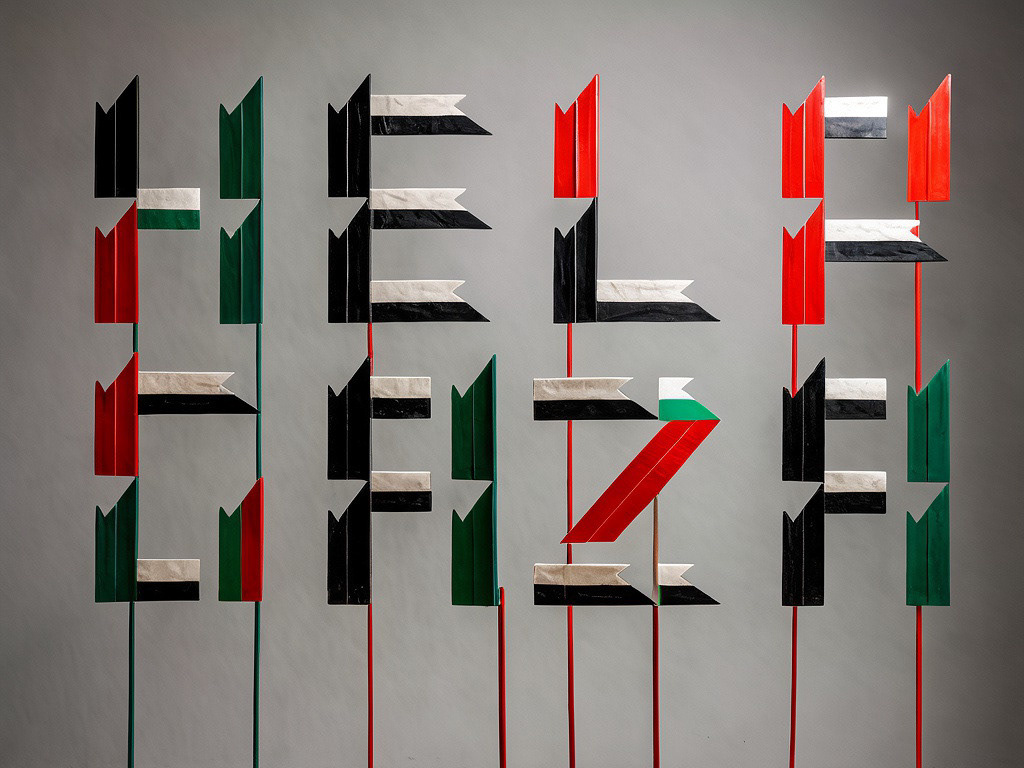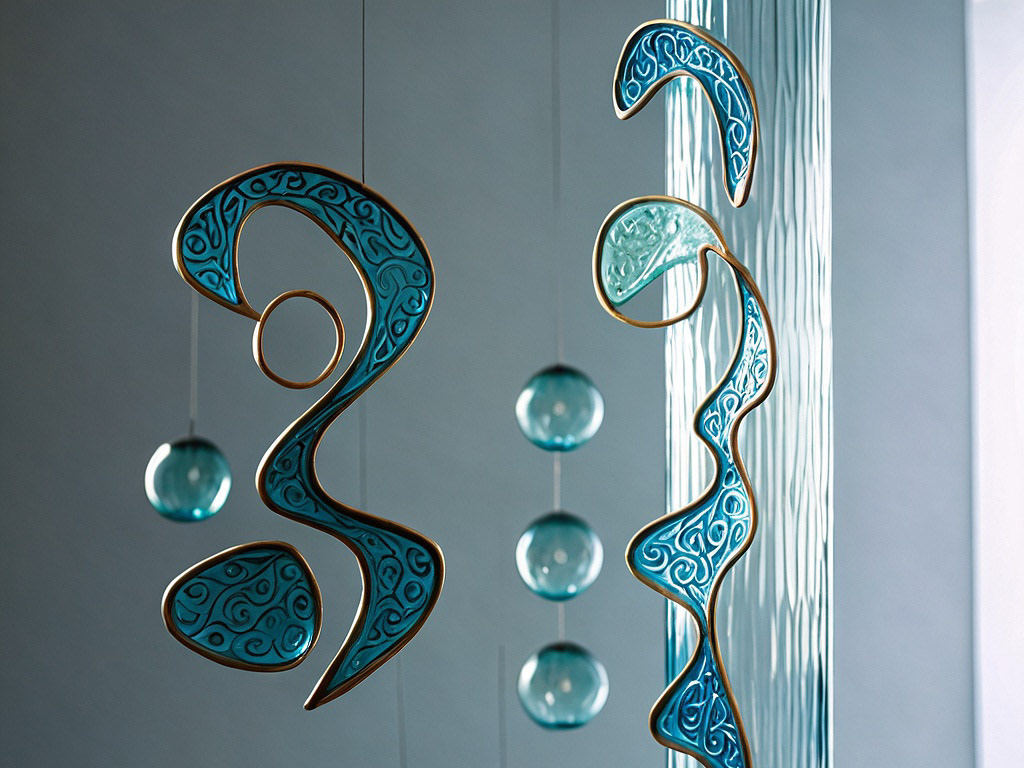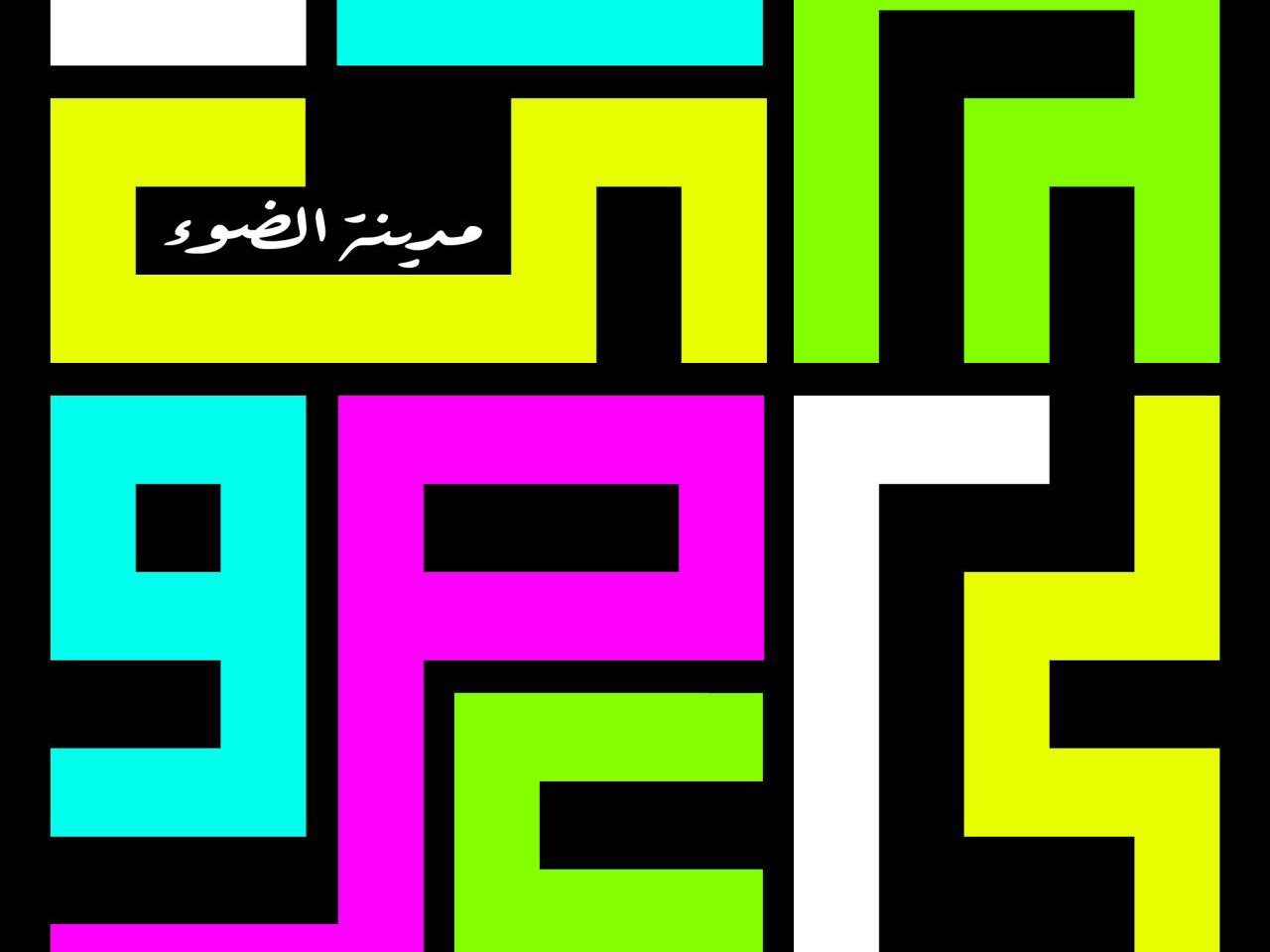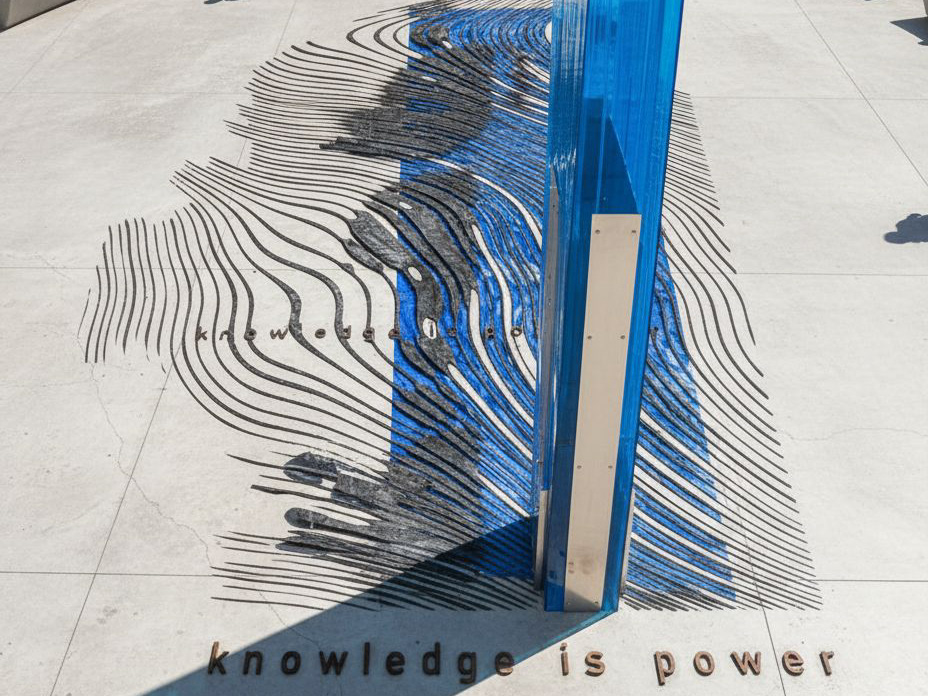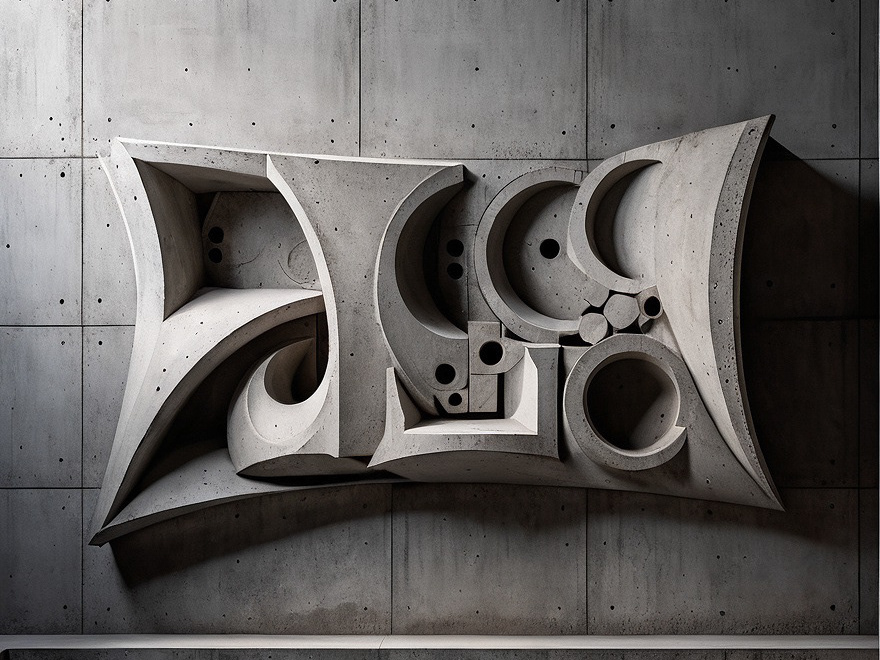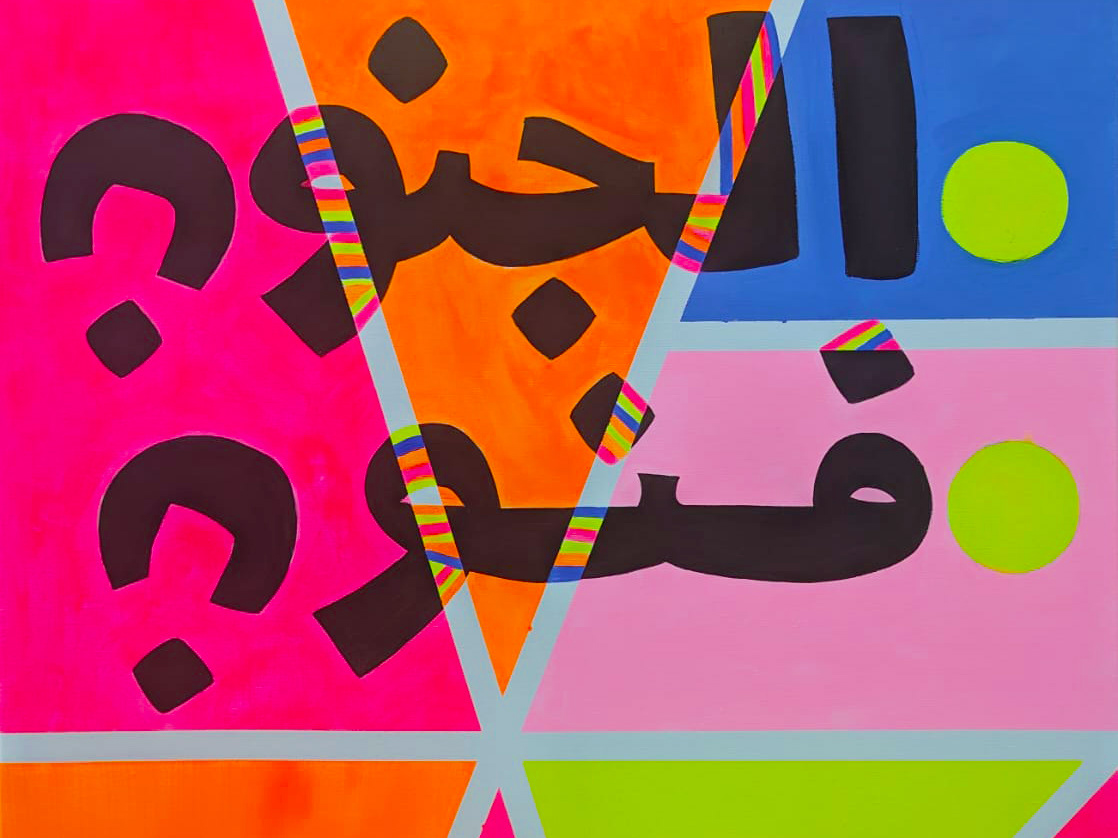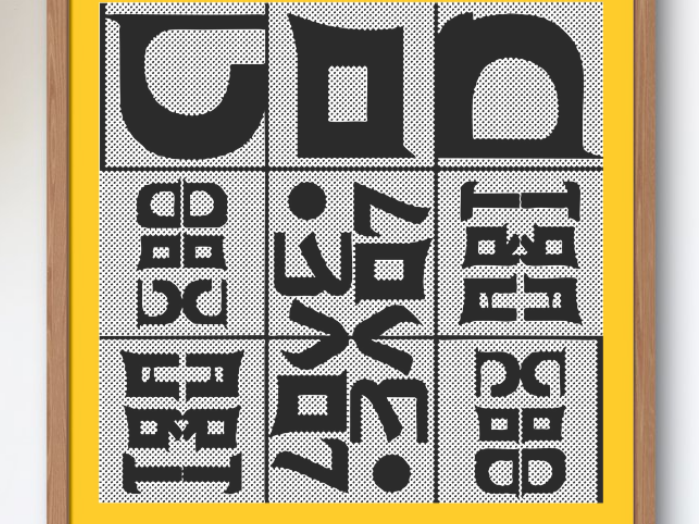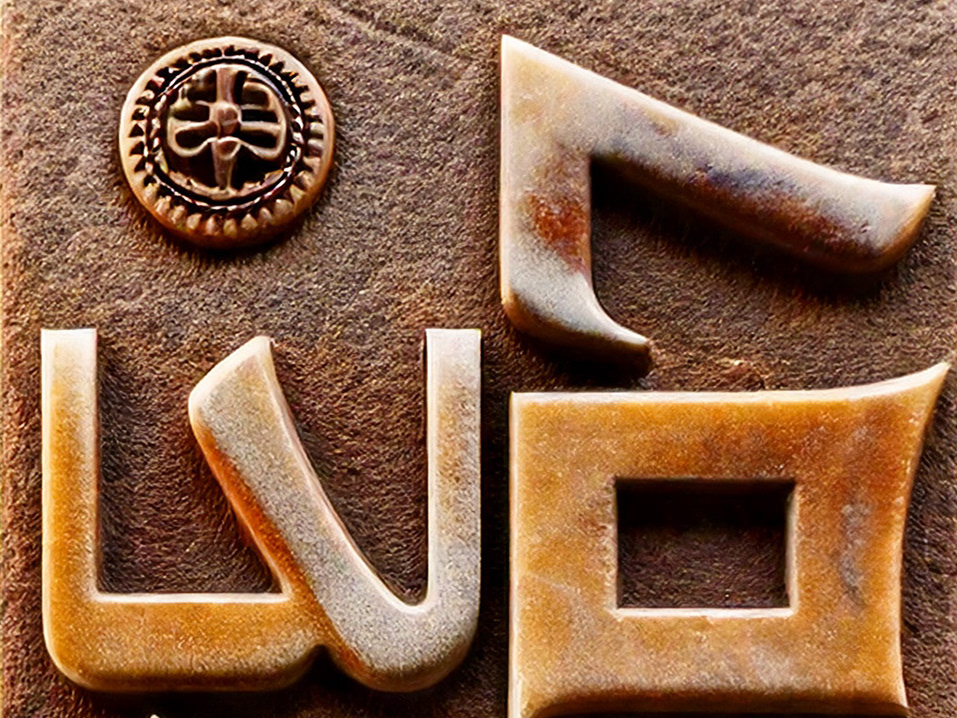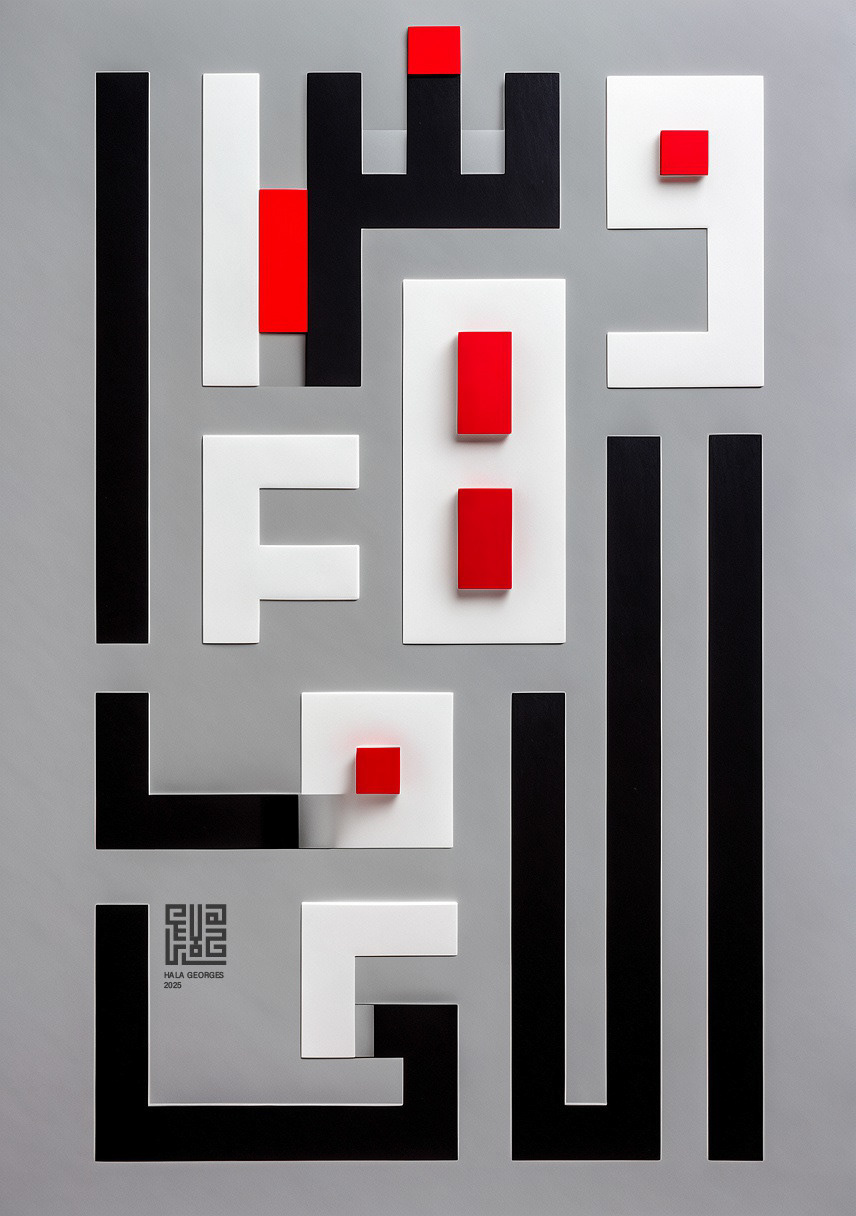
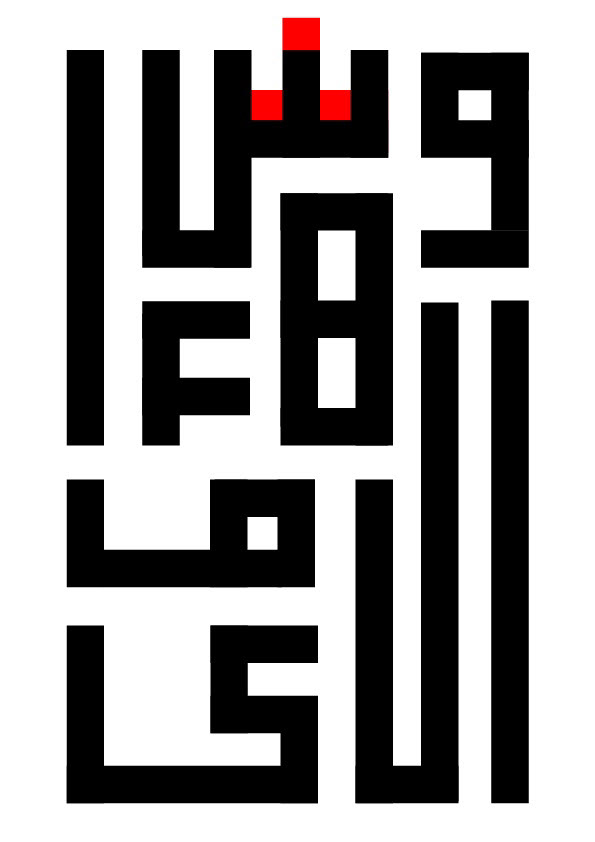
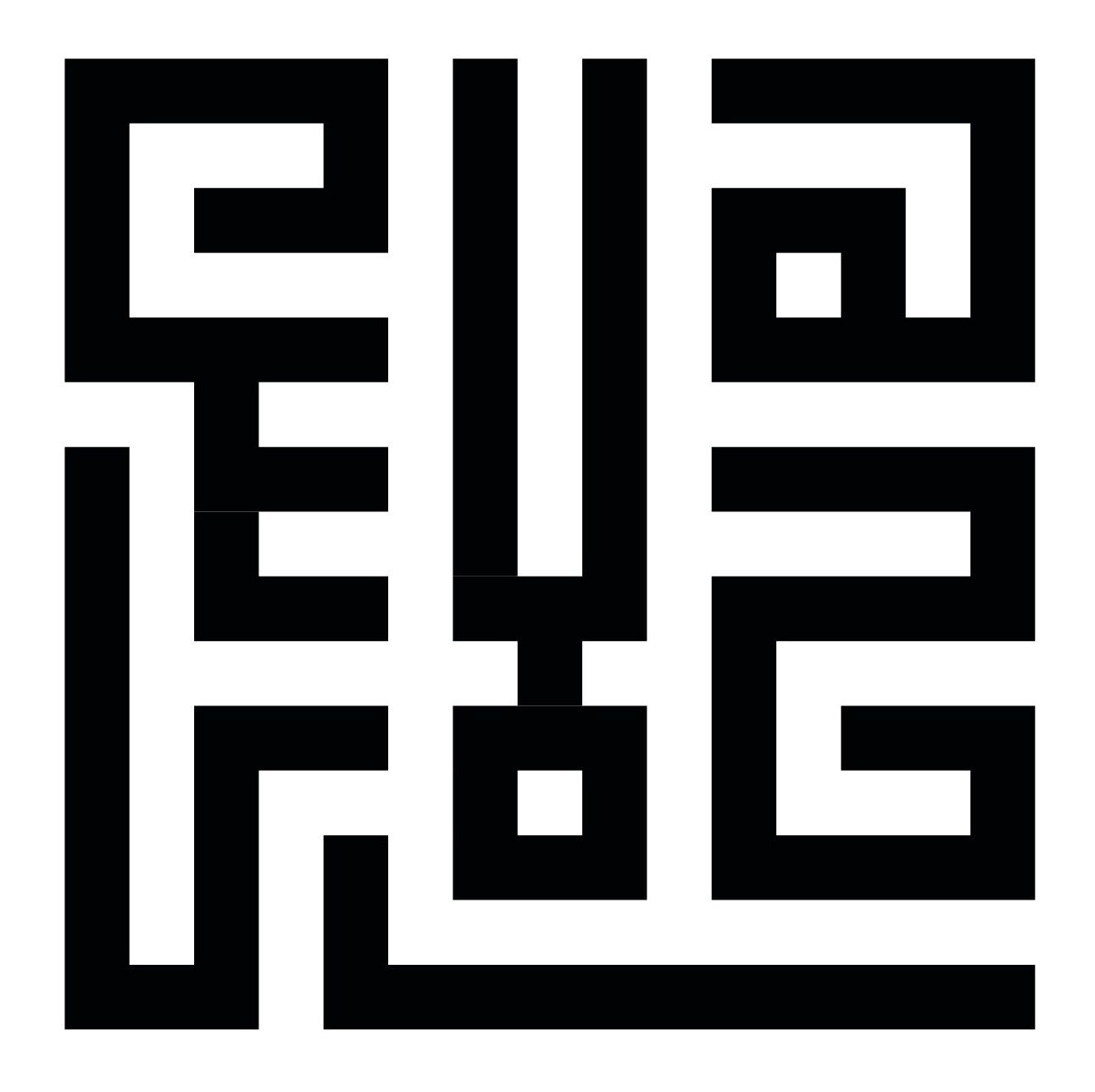
و شاء الهوى This work investigates Square Kufic Arabic typography as a universal visual language that operates beyond linguistic fluency. Through geometric reduction, modular construction, and controlled contrast, the letterforms are abstracted to function simultaneously as text, pattern, and structure. Meaning is carried through form, rhythm, and spatial logic rather than immediate legibility. The composition explores how Square Kufic can communicate across cultural and linguistic boundaries, positioning Arabic script within a global design vocabulary. By stripping the script to its structural essentials, the work foregrounds geometry as a shared visual language, allowing the typographic system to be read both as language and as pure form. The project reframes Square Kufic not only as a historical script, but as a contemporary design methodology capable of operating within international graphic and visual culture. Frascati Criteria Novel The work repositions Square Kufic as a universal design system rather than a culturally bounded script, expanding its contemporary relevance. Creative It combines typographic abstraction, modular construction, and geometric composition to produce a non-traditional typographic outcome. Uncertain in Outcome The final visual and communicative qualities were not predetermined and emerged through iterative experimentation with form, proportion, and abstraction. Systematic The process followed a structured methodology: defining typographic rules, reducing letterforms to geometric units, composing modular systems, and refining visual balance. Transferable / Reproducible The approach—treating Square Kufic as a modular, rule-based design system—can be applied across languages, contexts, and graphic applications.